When the Weather Cancels Everything: A Lapland Contingency Plan
What actually happens when a Lapland storm takes out your activities, what free cancellation does and does not cover, and how to build a trip that survives a bad week.
 By Aino Korhonen, Lapland tour specialist and Arctic experience guide
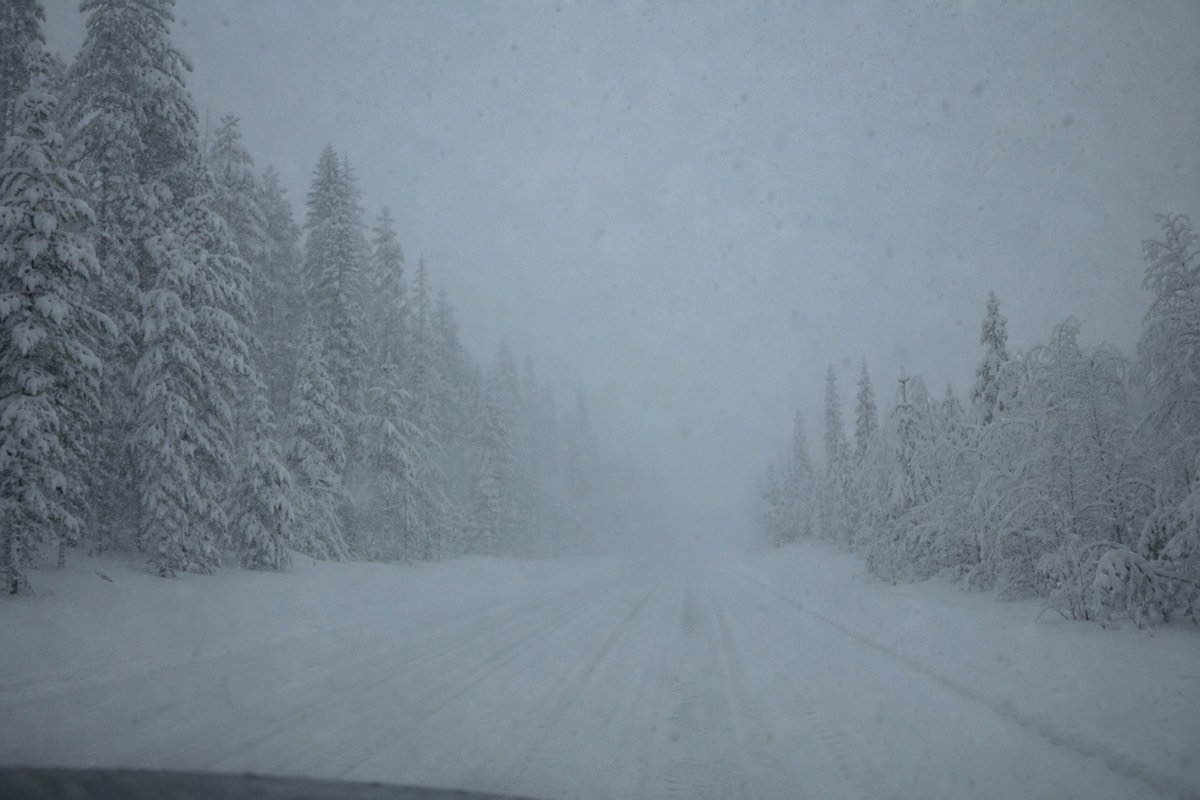
This is the scenario nobody prices into a Lapland trip and everybody should. A storm comes in, the snowmobile safari is cancelled, the aurora tour is pointless, and it is Tuesday of a four-night stay. What happens next depends almost entirely on how you booked.
What does free cancellation actually protect?
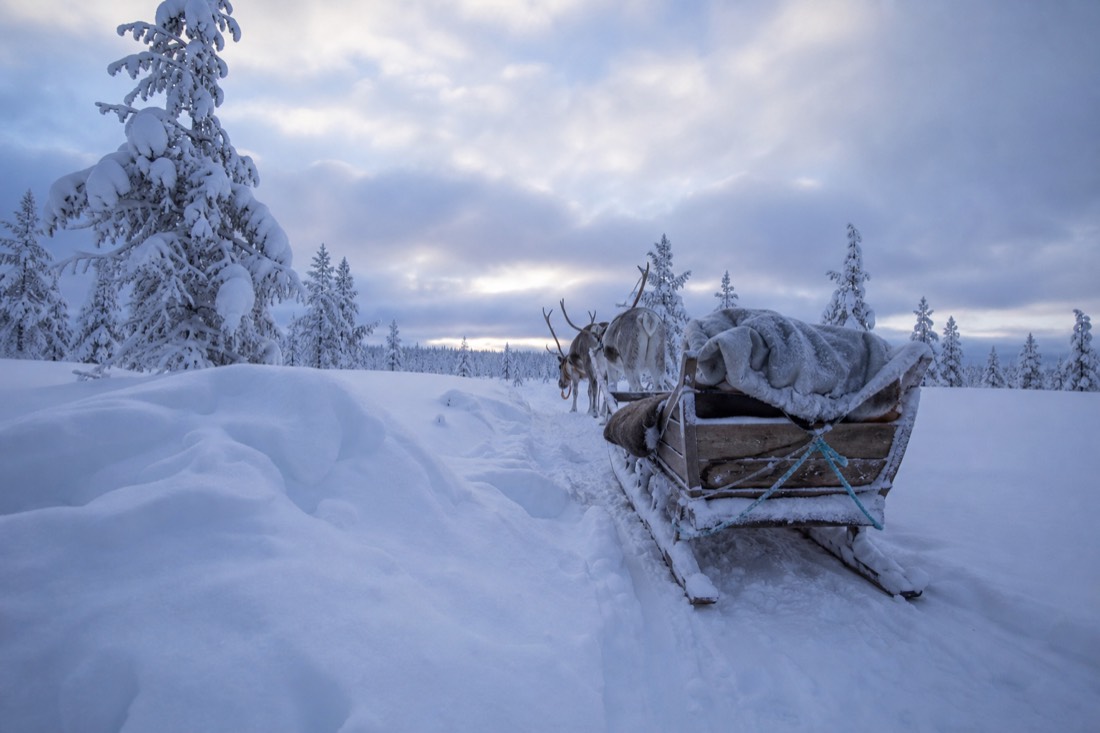
Your money, and only your money. Most listings here cancel free up to 24 hours before, which means you are not out of pocket. Nobody rebooks you, and in a busy December week there may be nothing to rebook into.
That distinction is the single most important thing to understand about booking direct. It is not a flaw in the system, it is the system: you have a set of separate contracts with separate operators, each of which will refund you and none of which is responsible for your holiday.
| Booked direct | UK charter package | |
|---|---|---|
| Refund if cancelled in time | Yes, usually to 24 hours before | Per the operator's terms |
| Someone finds you an alternative | No | Usually yes |
| Someone reshuffles your week | No | Usually yes |
| Financial protection if a firm fails | None | Yes, as a package holiday |
| You choose the replacement | Yes, if there is one | No |
| Cost | Usually lower | Usually higher |
Our booking guide goes further into how the platforms handle it.
What actually gets cancelled?
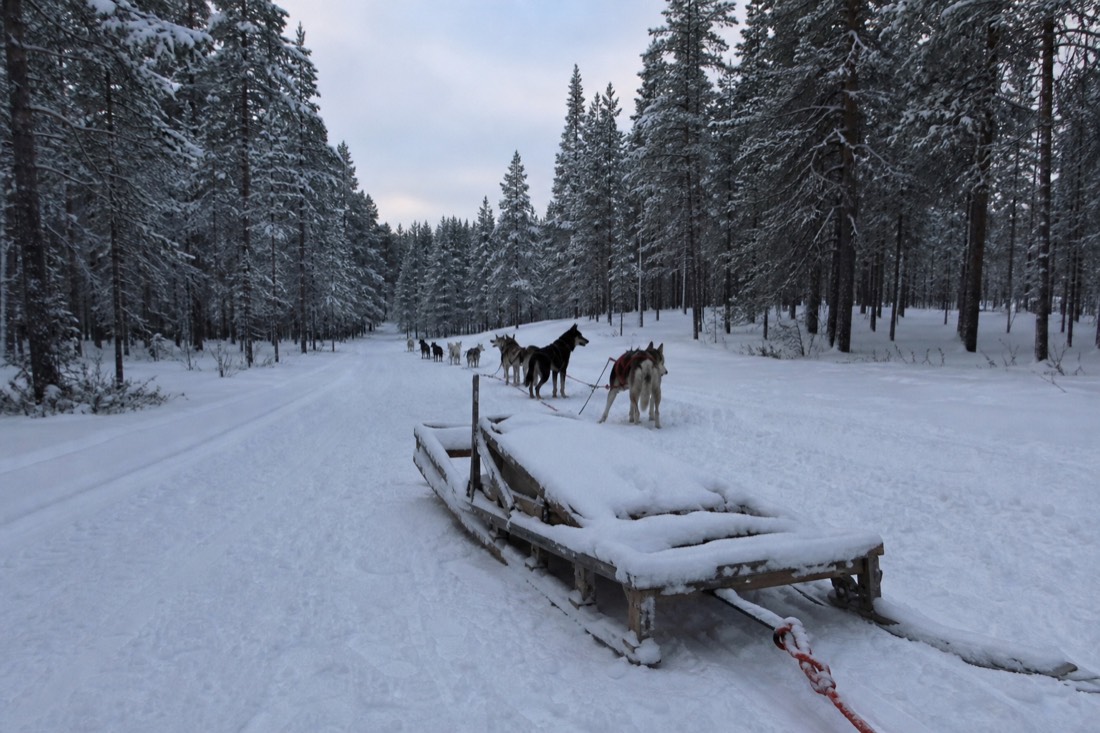
Snowmobiles and huskies in genuinely dangerous conditions, aurora tours when the forecast is hopeless, and almost nothing else. Reindeer farms and Santa Claus Village are far more weather-resistant than the fast outdoor activities.
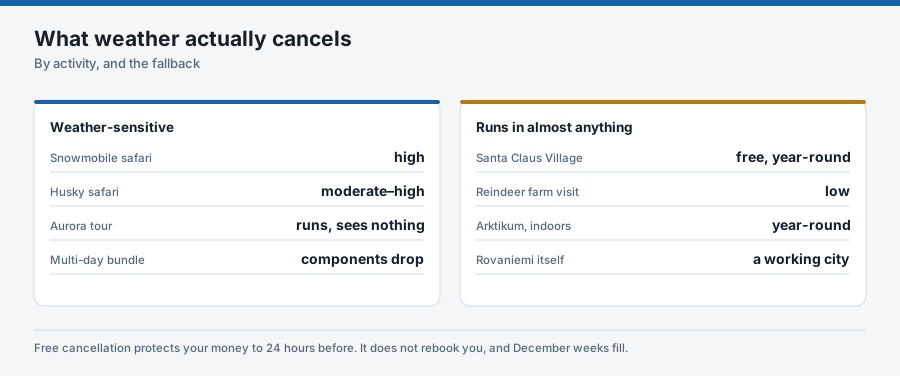
| Activity | How weather-sensitive | Typical outcome in bad weather |
|---|---|---|
| Snowmobile safari | High | Cancelled or shortened in a storm |
| Husky safari | Moderate to high | Usually runs, sometimes shortened |
| Aurora tour | High, but differently | Often runs, and sees nothing |
| Reindeer farm visit | Low | Usually runs |
| Santa Claus Village tour | Low | Runs in almost anything |
| Multi-day bundle | Mixed | Individual components may drop |
Note the aurora row, because it works the opposite way to the others. An aurora tour usually goes ahead in cloud, since the guide's job is to drive and look. You get the tour, you do not get the lights, and you are not entitled to a refund for the sky.
How to build a trip that survives a bad week
Slack, spread and a weather-proof anchor. Book one more night than you think you need, spread the aurora attempts across separate nights, and keep at least one activity that runs in anything.
The most common failure is a compressed itinerary. Three nights with one activity a day and one aurora attempt leaves no room at all: lose Tuesday and you have lost a third of the trip. Four or five nights absorbs a storm.
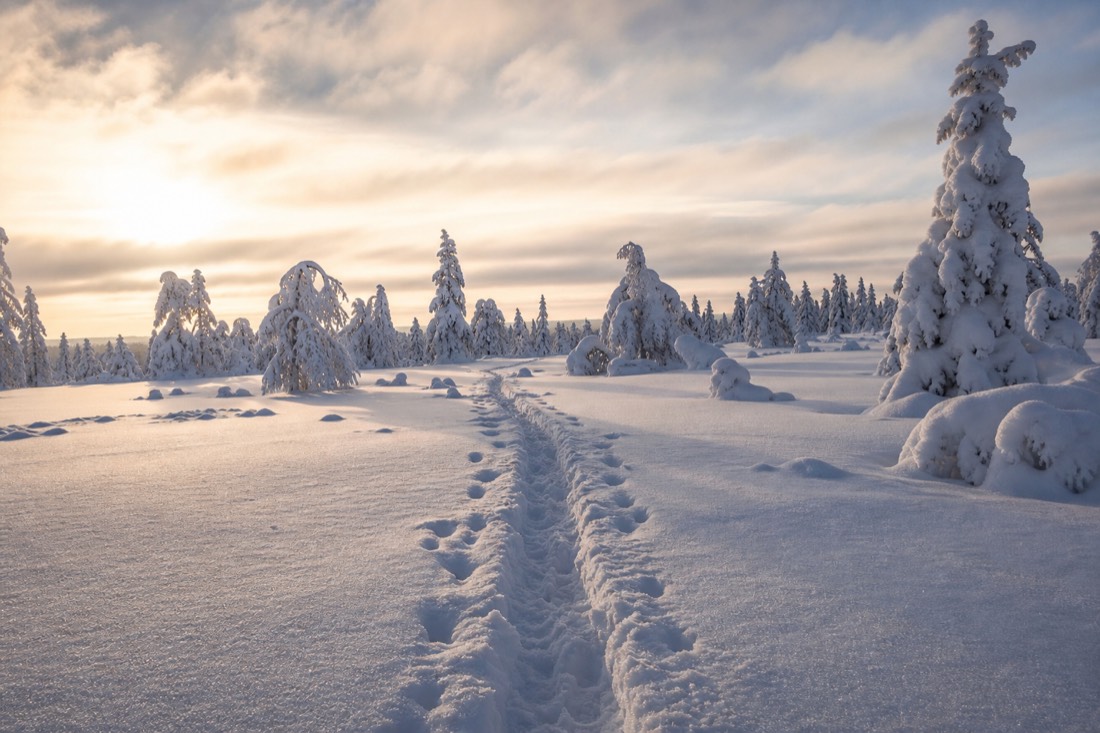
Snow itself is rarely the problem: Visit Finland puts Lapland's cover at roughly November to May, so conditions are usually workable rather than absent. The second mistake is stacking your aurora attempts. Two tours on consecutive nights during the same weather system is functionally one attempt. Spreading them across a longer stay is the only way to get genuinely independent tries, which is the arithmetic our aurora guide works through.
What to do with a lost day
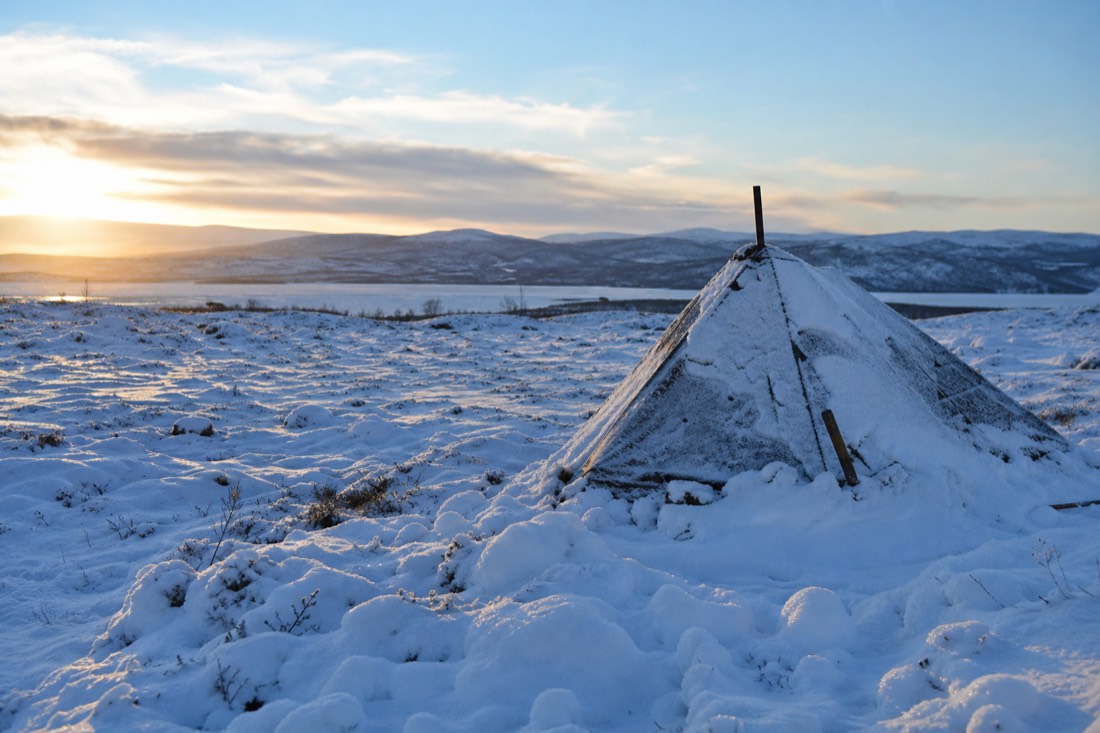
Go to Santa Claus Village. It is free, it is open every day of the year, and it works in weather that stops everything else.
Per the Santa Claus Village information service, entry costs nothing and meeting Santa is free too. It is about 8 km from Rovaniemi city centre with a local bus, so a cancelled morning becomes a village afternoon at the cost of a bus fare.
Rovaniemi itself also absorbs a bad day better than a wilderness resort does. It is a working city with restaurants, shops, a pool and museums. This is a genuine argument for a city base that nobody makes until the weather turns, and our base comparison covers the wider trade.
A bad-weather fallback list
| If this is cancelled | Do this instead | Cost |
|---|---|---|
| Snowmobile safari | Santa Claus Village and the Arctic Circle | Bus fare |
| Husky safari | Reindeer farm, which is far less weather-sensitive | A booking |
| Aurora tour, hopeless forecast | Move it to another night if availability allows | Usually free to change |
| Everything outdoors | Rovaniemi city: museums, pool, restaurants | Varies |
| An entire day | Rebook one activity for your spare evening | A booking |
| Your only aurora night | Nothing fixes this, which is why you book three |
The bottom row is the one that hurts, and it is the strongest argument for spreading aurora attempts rather than stacking them.
Should you take insurance more seriously?
Yes, and more so than on a package. Booking direct means no package financial protection, and some standard policies exclude snowmobiling entirely.
Check the winter-activity clause before you leave home. It is a cheap thing to sort out in advance and an expensive one to discover in Rovaniemi. Our safety page lists what the operator covers and what stays yours.
The honest verdict
Booking direct is cheaper and gives you more control, and it hands you the rebooking problem. That is the trade, and it is worth taking with four or five nights and worth thinking hard about with three.
If the idea of solving a weather problem yourself on holiday sounds like the opposite of a holiday, that is a completely reasonable position, and it is the strongest argument for a charter package that exists. Our cost comparison puts real numbers on what that convenience costs.