Northern Lights in Finnish Lapland: When, Where and What the Odds Really Are
The aurora is visible on about half of dark, cloudless nights in Lapland. Everything about planning an aurora trip follows from that one number, including how many nights to book.
 Written with Aino Korhonen, Lapland tour specialist and Arctic experience guide
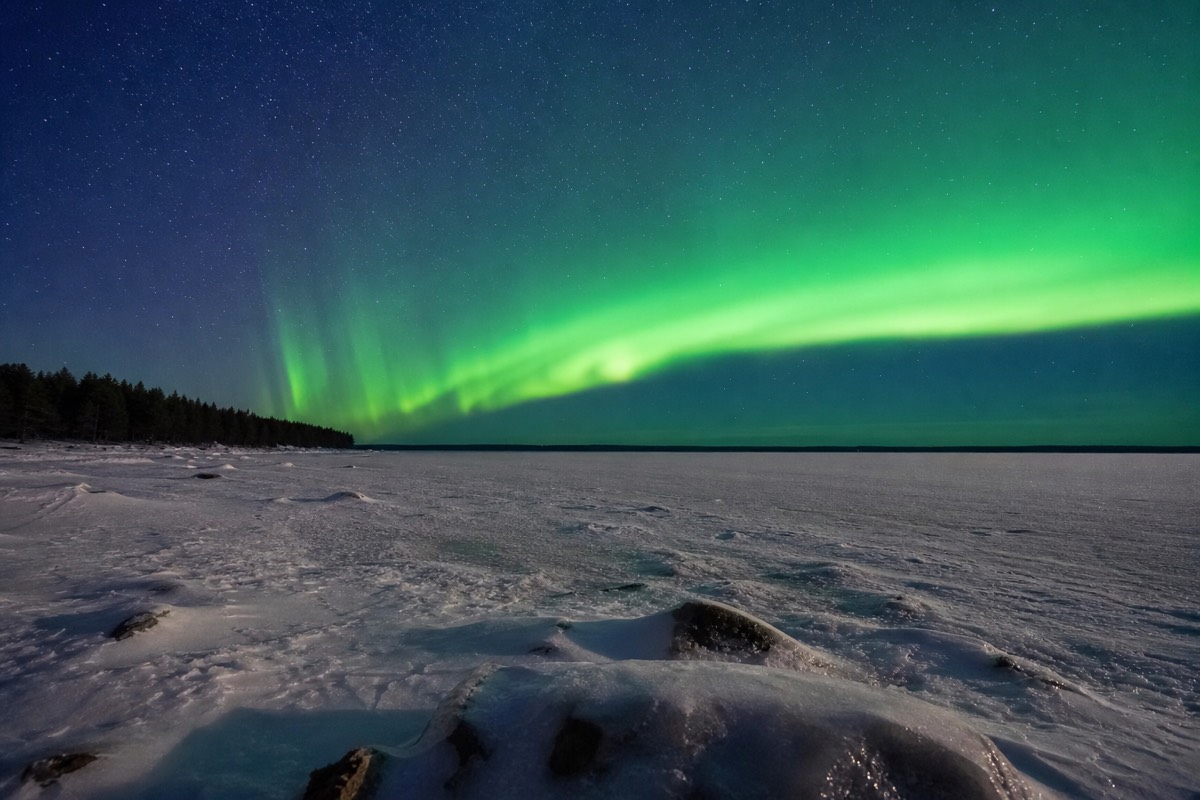
Short answer
The season runs late August to early April. The Finnish Meteorological Institute reports the aurora is visible on roughly half of dark, cloudless nights at Lapland ski resorts, best around midnight give or take two hours. Because cloud is the limiting factor and no tour can move it, the single most effective thing you can do is book more than one night.
Somebody on every aurora tour asks the guide, usually within the first ten minutes, whether they are going to see it tonight. The good guides give the same answer, which is that they will drive to wherever the sky is clearest and after that it is not up to anybody in the vehicle. That is the honest version, and it is worth understanding before you book rather than at 10pm in a minibus.
What are the actual odds of seeing the northern lights?
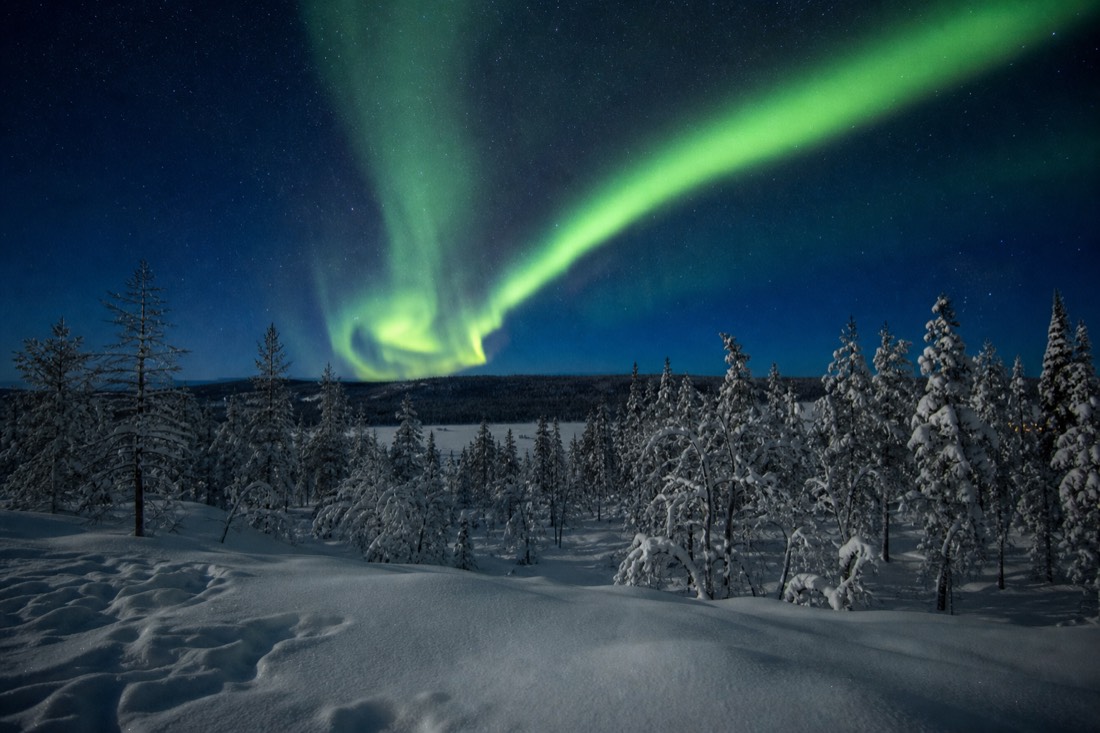
Roughly one in two, on a dark and cloudless night. The Finnish Meteorological Institute puts the statistical probability of aurora at around 50 per cent of dark, cloudless nights at Lapland ski resorts such as Ylläs, Levi and Saariselkä. Cloud, not aurora activity, is usually what stops you seeing anything.
That number does a lot of work, so it is worth reading carefully. It is not "50 per cent of nights". It is 50 per cent of nights that are already dark and already clear. Northern Finland gets plenty of cloudy nights in winter, so the real probability on a randomly chosen night is meaningfully lower.
This is exactly why aurora tours exist and why the good ones drive. A guide who is willing to cover a hundred kilometres to find a hole in the cloud is doing the one thing that actually moves your odds.
When is the season?
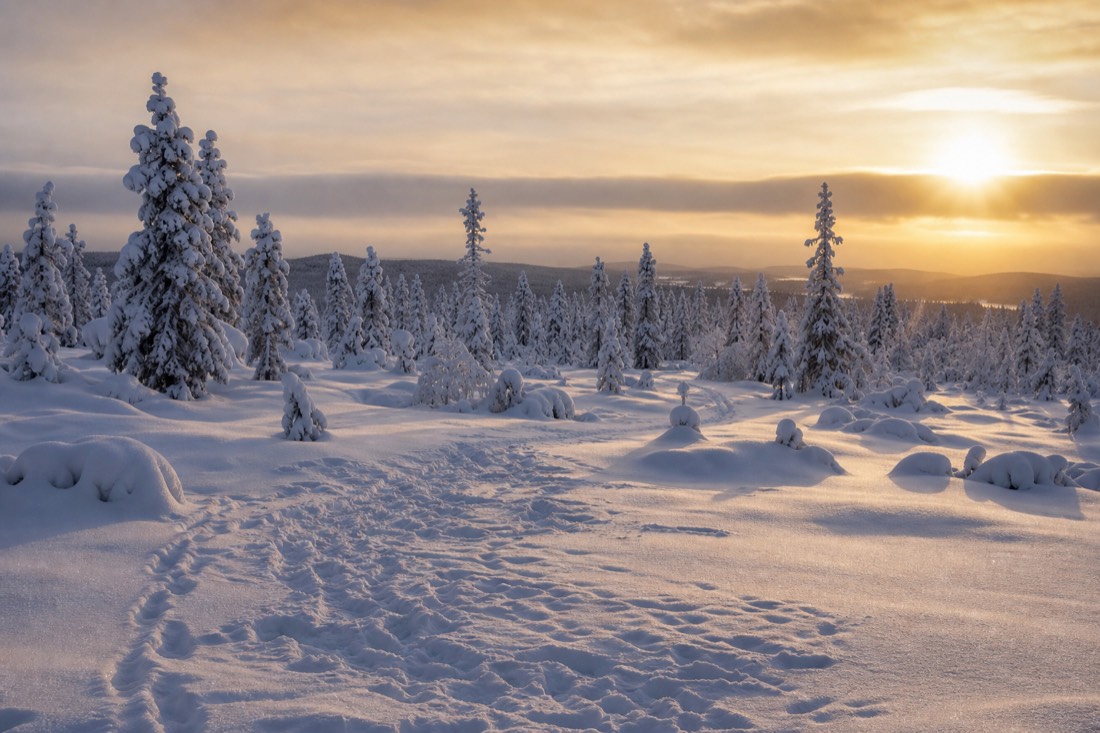
Late August to early April, per Visit Finland and the Santa Claus Village information service. The best hours are around midnight, roughly two either side. The season is longer than the snow season at both ends.
| Period | Darkness | Snow | Aurora chance | Notes |
|---|---|---|---|---|
| Late August to September | Returning, still short nights | None | Season opening | Green landscapes, lake reflections, no winter activities |
| October | Good by mid-month | Arriving, unreliable | Good | Quiet and cheap, the shoulder-season sweet spot |
| November to December | Longest nights of the year | Reliable | Good | December is peak price for other reasons |
| January to February | Long nights, coldest | Deep | Good | Classic Arctic conditions |
| March | Shortening but still dark | Deepest of the year | Good | Best all-round month for a combined trip |
| Early April | Closing | Melting | Season ending | Last reliable window |
The two ends of that table describe completely different holidays. A September aurora trip has no huskies, no snowmobiles and no snow, and it is much cheaper. A March trip gives you everything at once. Our month-by-month guide works through the full trade.
Can any tour guarantee a sighting?
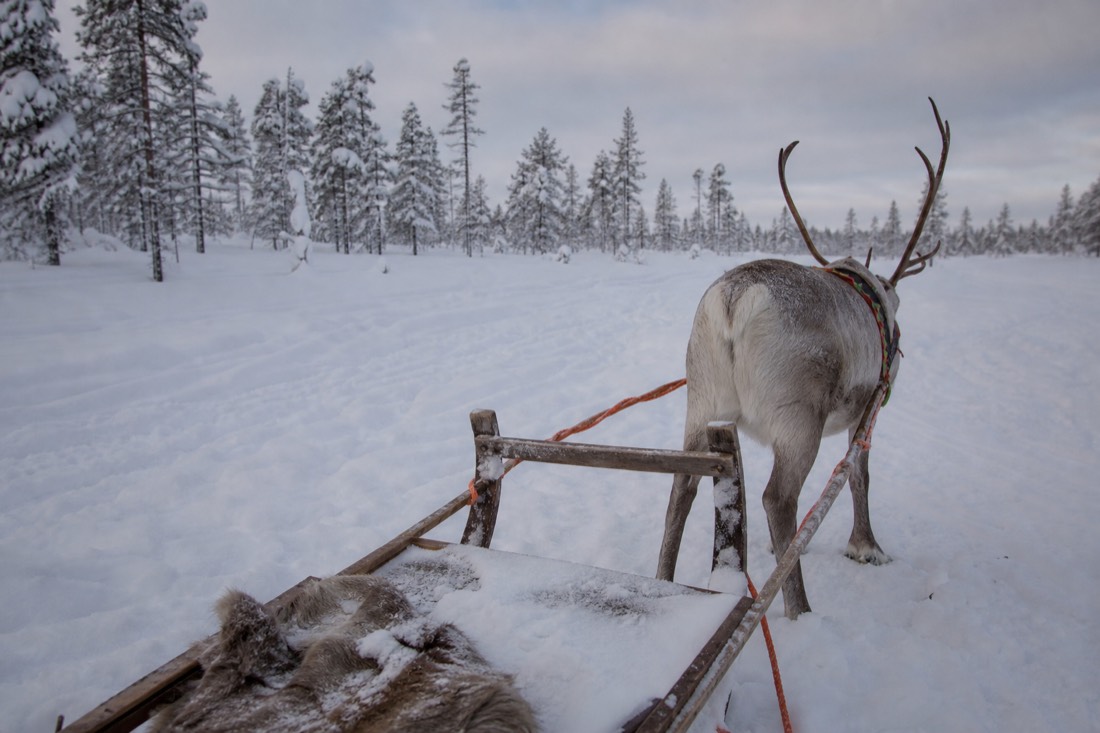
No, and be sceptical of anything implying otherwise. Some listings offer a money-back or free-repeat promise if nothing appears, which is a genuine commercial guarantee from that operator. It is a refund policy, not a guarantee that the sky will perform.
The wording matters here. A tour named "guaranteed" is usually promising you your money back, or a second attempt, not a sighting. That is a real and worthwhile thing to offer, and it shifts risk sensibly from you to the operator. It is not the same claim, and any site presenting it as a certainty is misreading the listing on purpose.
One listing on this site takes it further and refunds part of the price if the lights cannot be captured by camera, which is a more specific promise than most. Read the exact terms on the listing, because these vary a lot between operators.
Why do aurora tours have lower ratings than other activities?
Because people rate the weather. Look at the numbers on this site: the aurora tours sit at 4.0 and 4.1 while husky and snowmobile safaris run 4.6 and 4.7. That gap is a measurement artefact, not a quality gap.
| Tour type | Typical rating here | What a bad review usually says |
|---|---|---|
| Snowmobile safari | 4.5 to 4.7 | Too short, machine shared |
| Husky safari | 4.6 to 4.7 | Ride shorter than expected |
| Reindeer farm visit | 4.2 to 5.0 | Very short ride |
| Northern lights tour | 4.0 to 4.9 | "We saw nothing" |
An aurora tour carrying 1,588 reviews at 4.0 has taken vastly more people out than one carrying 348 at 4.9, and a share of its one-star reviews amount to a cloudy night. The guide could not have changed that. Read the written reviews instead of the average, and look for whether the guide drove to find clear sky, kept people warm, and helped with cameras, because those are the parts a tour actually controls.
How many nights should you book?
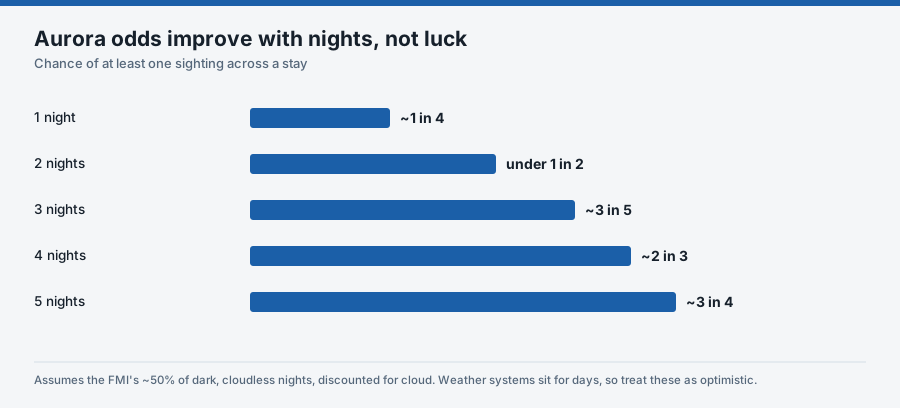
Three, if the aurora is the reason for the trip. One night is a coin flip you cannot re-run. Three independent attempts turn a 50 per cent chance per clear night into something much closer to a likely outcome.
This is the single most useful piece of aurora planning advice and it costs nothing to follow. It also argues quietly against the fixed charter package, which typically schedules one aurora night: if that night is cloudy, there is no second attempt. Booking activities direct, you can hold three nights and simply enjoy the ones that work. Our cost comparison puts real numbers on that difference.
The highest-rated hunt on this site is a small-group tour rated 4.9 across 348 GetYourGuide reviews, and you can check live availability and prices on the operator's listing. Small groups matter more here than on other activities, because a full coach takes longer to move when the guide decides to chase a clear patch forty minutes away.
How the nights stack up
One night is a coin flip. Three is a plan. The arithmetic is simple enough to do on the back of an envelope, and it is the strongest argument for booking activities separately rather than accepting a package's single scheduled aurora night.
| Nights you chase | If skies are clear each night | If roughly half your nights are cloudy |
|---|---|---|
| 1 | About 1 in 2 | About 1 in 4 |
| 2 | About 3 in 4 | Under 1 in 2 |
| 3 | About 7 in 8 | Around 3 in 5 |
| 4 | About 15 in 16 | Around 2 in 3 |
Treat the right-hand column as the realistic one, since cloud is the usual spoiler in northern Finland rather than a quiet sun. It assumes each night is independent, which is generous: weather systems sit over Lapland for days at a time, so a run of cloudy nights is more likely than the table implies. The direction of the conclusion does not change. More nights is the only lever you control.
Does it matter where you stay?
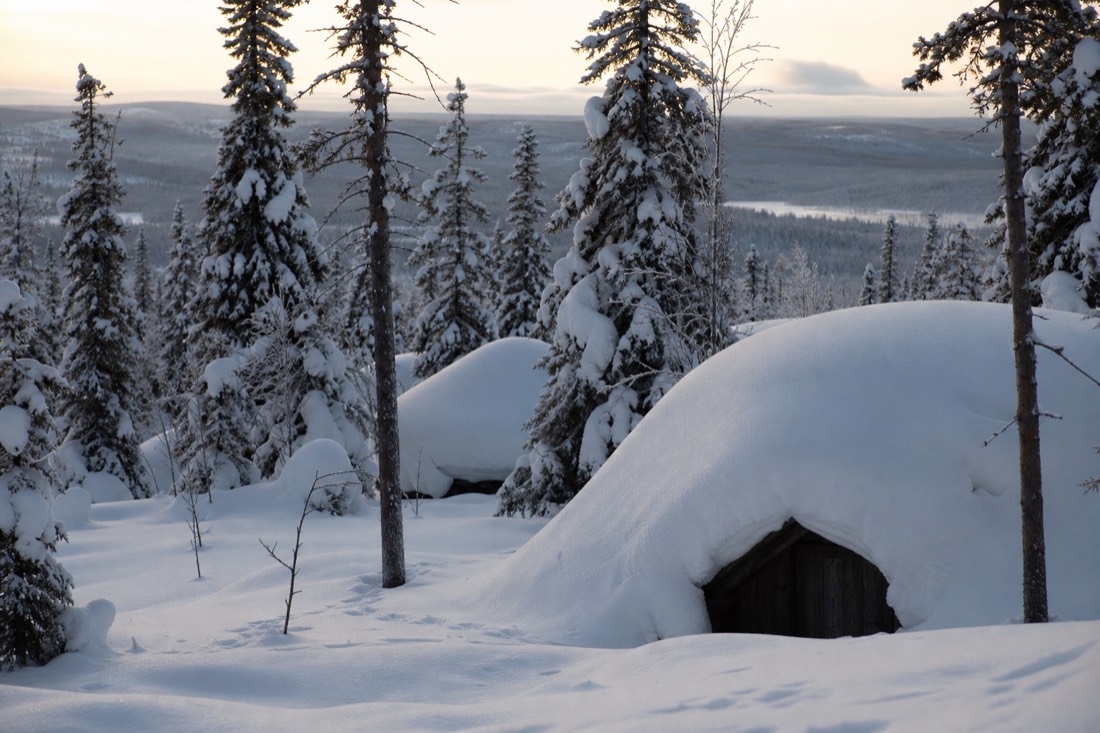
Somewhat, but less than the number of nights. Darker skies further north genuinely help, but a Rovaniemi tour drives you out of the city light anyway, and three nights near Rovaniemi beats one night in Saariselkä.
Rovaniemi is the most light-polluted of the main bases, which is why its aurora tours are built around driving. Levi is darker. Saariselkä and Inari, further north again, are darker still and have weeks of polar night rather than the couple of days Rovaniemi gets on the Arctic Circle. Our base comparison covers what each one costs you in convenience and choice.
What actually stops you seeing the aurora?
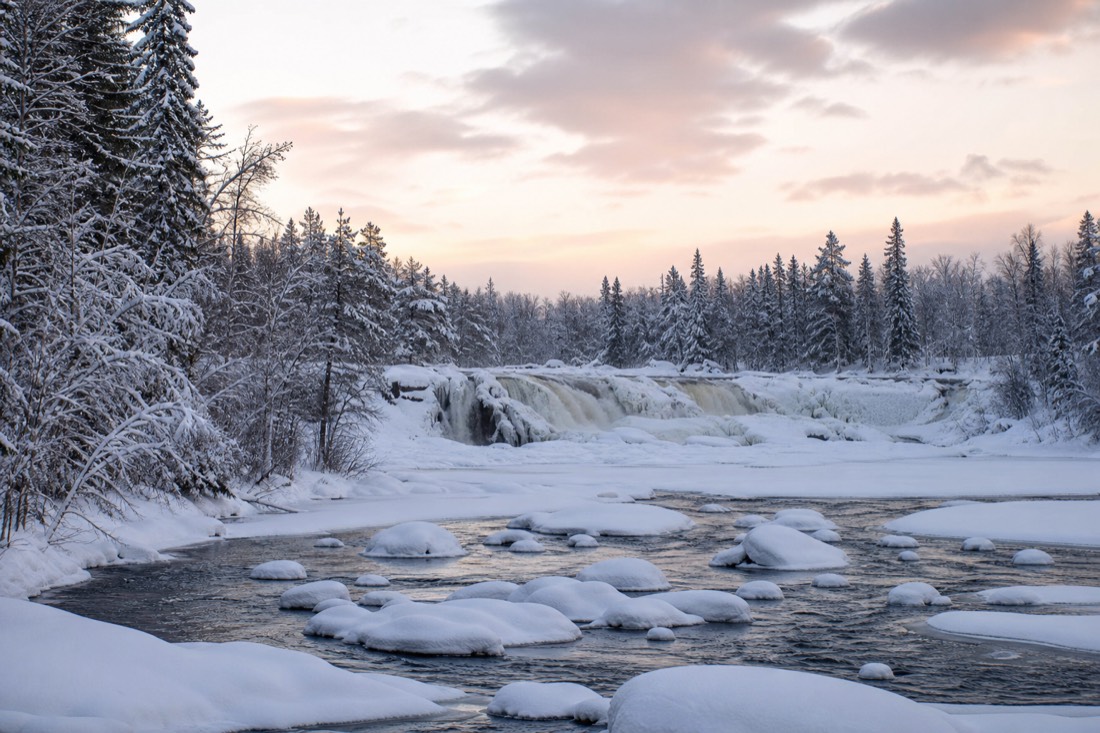
Cloud, nearly always. Solar Cycle 25 peaked in October 2024 and activity stays elevated through 2026, so the sun is rarely the problem on a Lapland winter night. What fails is your view of the sky. Rank the obstacles honestly and cloud sits far above everything else.
That ranking is not obvious from the outside. Most people book an aurora trip worrying about whether the lights will be "active enough", which is the one variable currently in their favour. The Finnish Meteorological Institute's 50 per cent figure already assumes a dark, cloudless sky, so it describes a night on which the only remaining question is whether the aurora shows. Getting to that kind of night is the actual work.
| What blocks a sighting | How often it decides the night | Can a tour do anything about it |
|---|---|---|
| Cloud cover | The usual reason a night fails | Yes, a guide willing to drive can relocate to a gap |
| Being outside at the wrong hour | Common on short, early tours | Yes, tours that run late cover midnight and either side |
| City light in Rovaniemi | Matters if you stay put | Yes, every tour drives out of the centre |
| A bright moon | Cuts contrast, rarely fatal | No, and a faint display suffers most |
| Low solar activity | Rare in this part of the cycle | No |
Read the right-hand column and the case for a driving tour makes itself. Three of the five obstacles are ones a guide with a vehicle and a weather map can work around, and the two that cannot be fixed are the two that matter least this winter. That is also the argument against standing in a hotel car park hoping.
The practical version: pick tours that leave in the evening rather than late afternoon, and prefer an operator whose reviews mention driving. Our aurora photography guide covers what the cameras need once you are out there.
What separates the aurora tours on this site?
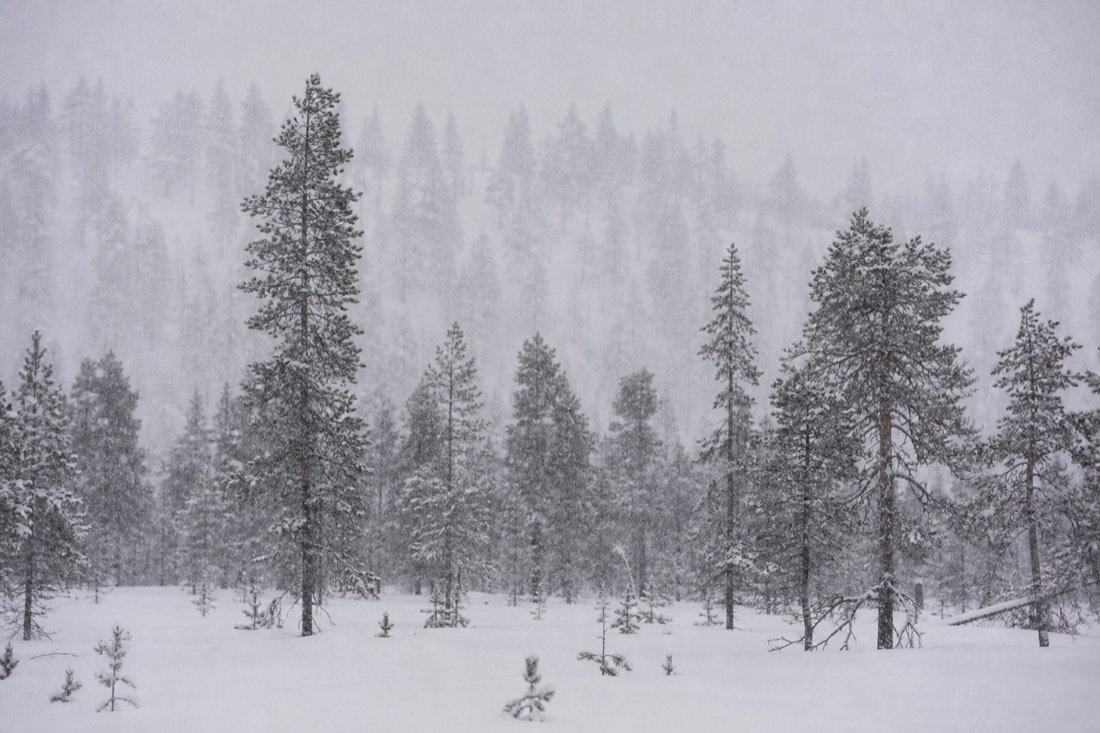
Group size, how long you are out, and whether food and photographs are included. All five aurora listings here run from Rovaniemi or Levi and none can promise a sighting, so the real differences are logistical. The highest-rated one is also the smallest and the longest.
| Tour | Base | What the listing states | Verified rating |
|---|---|---|---|
| Small Group Northern Lights Hunt | Rovaniemi | 5 to 8 hours, maximum 8 people, hotel pickup, photos, food and drinks, minimum age 7 | 4.9 across 348 |
| Northern Lights Tour with BBQ | Rovaniemi | Campfire BBQ, overalls and boots, pickup within 10 km of the centre | 4.0 across 1,588 |
| Northern Lights Tour by Minivan | Levi | Pickup from set locations in Levi, guided tour | 4.3 across 189 |
| Aurora Borealis and Picnic | Rovaniemi | Roughly 2 hours outdoors, transfers, winter clothing, hot drinks | 4.1 across 193 |
| Northern Lights Snowmobile Tour | Levi | 3 hours, aurora chase by snowmobile | Not shown, see below |
The last row is the honest one. That listing exists and we link it, but its page could not be read on the second verification pass, so no rating appears rather than a number we cannot stand behind. The same rule dropped a different product from this site entirely.
Two other details are worth pulling out of the table. The small-group hunt refunds fully if no aurora is visible in camera, which is a refund policy rather than a promise about the sky. And the Levi minivan listing states plainly that the operator will not cancel for weather, which is a real planning constraint if your only free night looks overcast.
What Aino tells first-timers before they book an aurora night
Aino Korhonen has planned Lapland trips since 2023 and has worked with more than 250 international travellers by her own count. The same three planning mistakes come up, and none of them are about cameras or cold. They are about how the nights are spread across the trip.
The first is booking a single aurora night on the last evening. It feels tidy and it removes every fallback: a cloudy sky on your final night ends the trip with nothing, and there is no room to rebook. Put your first attempt on your first full night instead, so a failure still leaves you options.
The second is treating an aurora tour as an evening's entertainment slotted between dinner and bed. The best window sits around midnight give or take two hours, which means a serious tour returns very late. People who booked a 7am husky safari for the next morning end up choosing between the two.
The third is spreading three nights across three different bases. Moving between Rovaniemi, Levi and Saariselkä eats the evenings, and evenings are the thing you came for.
| Planning mistake | What it costs you | What to do instead |
|---|---|---|
| One aurora night, booked last | No second attempt if it clouds over | First full night, and hold two more |
| Early-morning activity the next day | You cut the best hours short | Keep the morning after an aurora night clear |
| A different base every night | Travel eats the dark hours | Pick one base and drive out from it |
| Booking the cheapest and hoping | Big groups move slowly to clear sky | Read reviews for whether the guide relocates |
None of this improves the weather. It improves how many honest attempts you get, which is the only lever that has ever worked. Our trip-length guide works through how the nights fit around the daytime activities.
What if the sky fails on every night you booked?
It happens, and it is worth deciding in advance how you will handle it rather than at 11pm on a cloudy Tuesday. Most listings here cancel free up to 24 hours ahead, which protects your money but not your evening. The rebooking is the part nobody plans for.
Free cancellation to 24 hours is the standard term across the aurora tours on this site, and it is genuinely useful: if the forecast is hopeless a day out, you get your money back. It does you no good at all when the cloud arrives on the night itself, because by then the cancellation window has closed and the tour will usually still run.
| Situation | What the standard terms give you | What you should actually do |
|---|---|---|
| Forecast is hopeless, more than 24 hours out | Full refund on most listings here | Cancel and rebook a later night |
| Cloud arrives on the night | Nothing, the tour runs | Go anyway if the guide drives, the sky moves |
| You saw nothing on a tour that ran | Depends entirely on the listing | Check the terms before you book, not after |
| All your nights failed | No compensation from anyone | Spend the last evening on something indoors |
Only one listing here promises money back where no aurora is visible in camera, and that is a specific commercial promise from that operator rather than an industry norm. Read the exact wording, because "guaranteed" in a tour title very rarely means what a buyer assumes it means.
There is also a quieter point about the trip as a whole. A Lapland trip built entirely around the aurora can end with nothing to show for it, which is why most people who go home happy booked daytime activities as well. Huskies, reindeer and snowmobiles run whatever the sky is doing, and they are the reason a cloudy week still works. Our list of things in Rovaniemi that cost nothing covers the free fallbacks for a washed-out evening.
Common questions
What time do the northern lights appear?
Most likely around midnight, roughly two hours either side, according to the Finnish Meteorological Institute. That is why a serious aurora tour leaves in the evening and returns late. A tour that has you home by nine is not covering the best window.
Will 2026 and 2027 be good years?
The background conditions are favourable. Solar Cycle 25 peaked in October 2024 and activity remains elevated through 2026, so the underlying odds are better than they were earlier in the cycle. It changes nothing about any single night, where cloud still decides.
Can I see the aurora from Rovaniemi city centre?
Occasionally, during a strong display, but city light works against you. This is the entire reason aurora tours drive out of town. Staying in the centre and hoping is the least effective way to spend an aurora night.
Do I need a special camera?
A modern phone in night mode captures a lot more than it used to, though a camera with manual settings and a tripod does better. Several tours include a photographer who sends you the images afterwards, which is often the more sensible option if the photographs matter to you.
Is it worth going in September for the aurora?
If the aurora is your only goal and cost matters, yes. The season is open, prices are far lower and the lake reflections are genuinely good. You give up snow entirely, which means no huskies, no snowmobiles and no reindeer sleighs, so it is a very different trip.