The Best Time to Visit Finnish Lapland, Month by Month (2026/27)
December sells the trip. March delivers the snow. Working out which one you actually want is most of the planning done.
 Written with Aino Korhonen, Lapland tour specialist and Arctic experience guide
Short answer
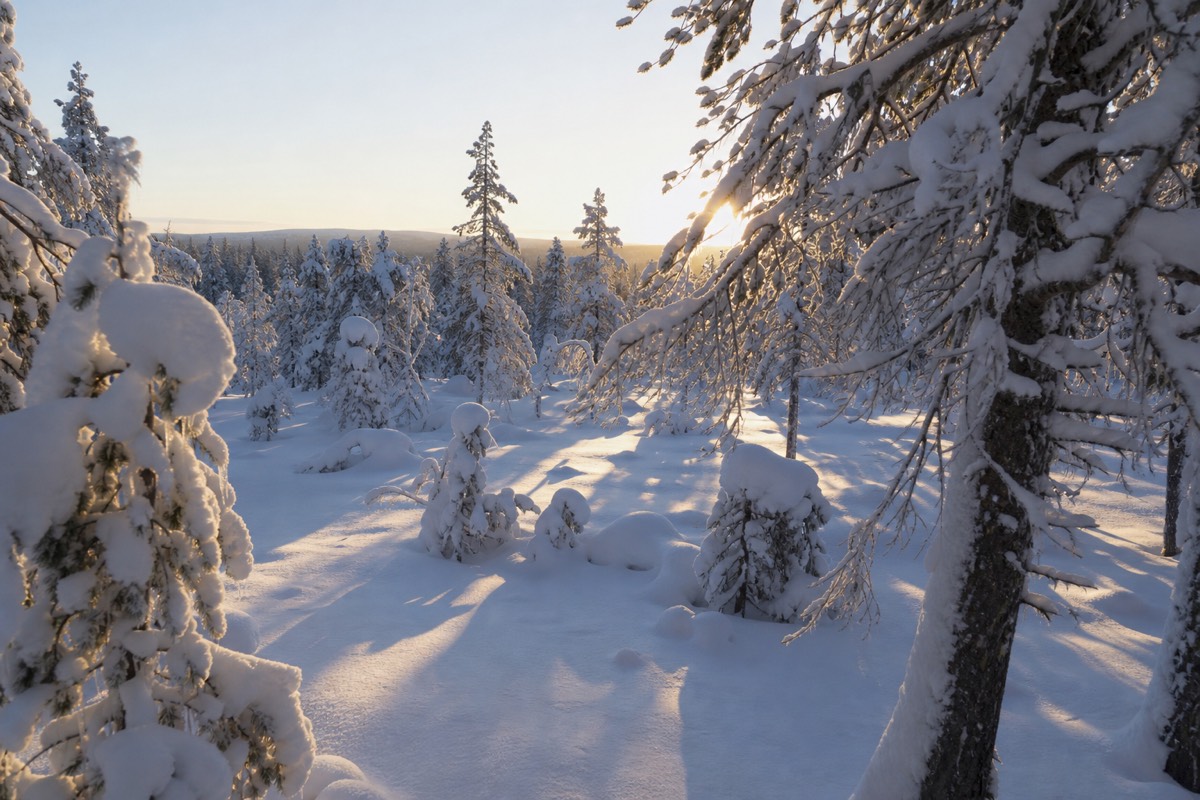
For Christmas atmosphere and Santa, December. For the deepest snow and the best value, March, when Lapland's snow cover peaks at 60 to 90 cm. For the northern lights, anywhere from late August to early April, with the darkest skies from November to February. Lapland's winter runs about 200 days, so the season is far longer than the Christmas marketing suggests.
Ask ten travel sites when to visit Lapland and nine say December. Then you land in December, discover the sun barely clears the trees, the snow is thinner than the photos promised, and everything costs the most it will cost all year. December is a wonderful time to go. It is not the obvious answer it is sold as.
When is the best time to visit Lapland?
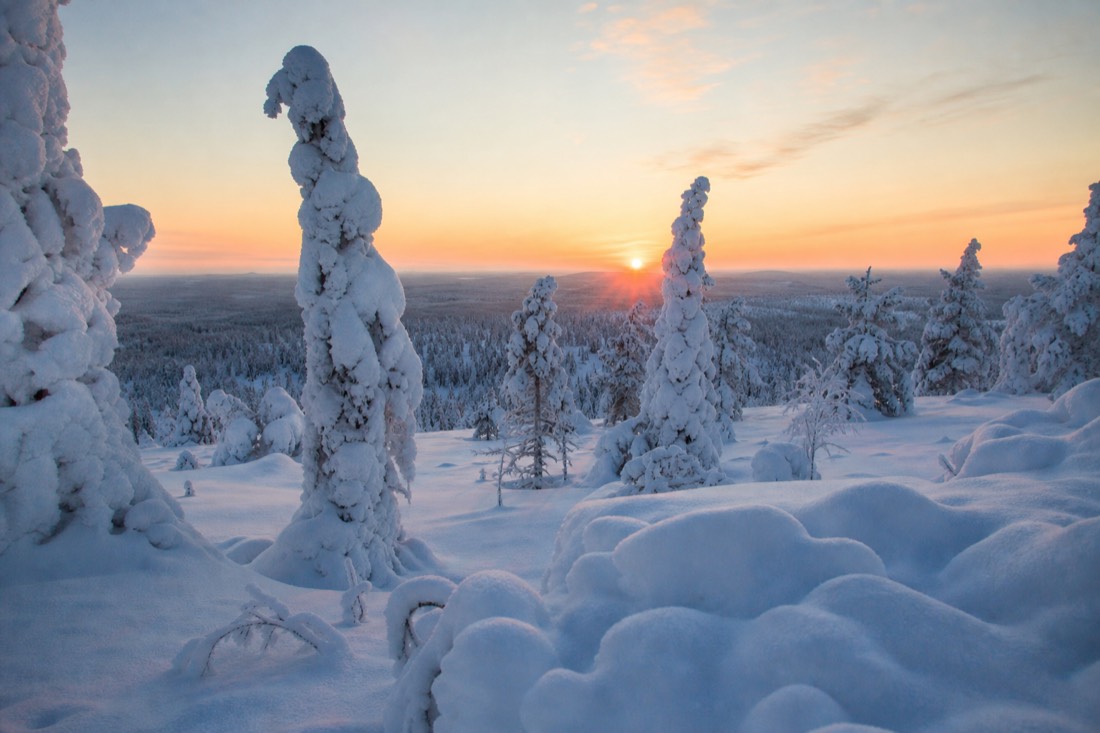
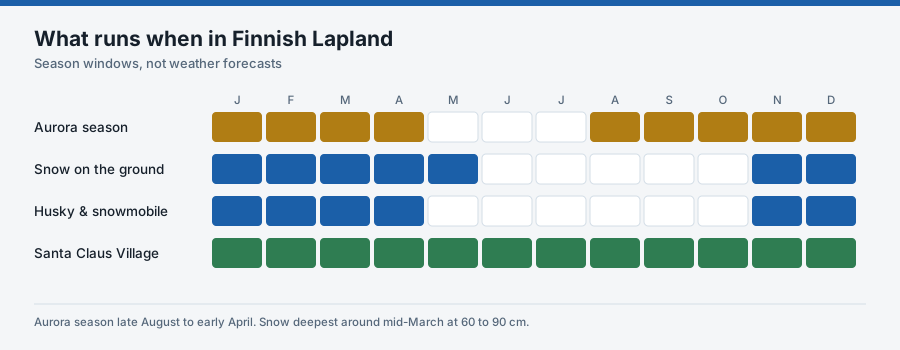
It depends entirely on which of four things you want. December for Christmas and Santa. January and February for cold, dark, aurora-friendly nights. March for the deepest snow, long daylight and falling prices. Late August to October for aurora without the winter cost, if you can accept no snow.
Finnish Lapland's winter is far longer than the marketing implies. The Finnish Meteorological Institute puts the start of winter in Lapland at around mid-October, lasting about 200 days, with the ground under snow for more than half the year. That is a six-month window, not a Christmas fortnight, and the difference between its ends is enormous.
Which month has the most snow?
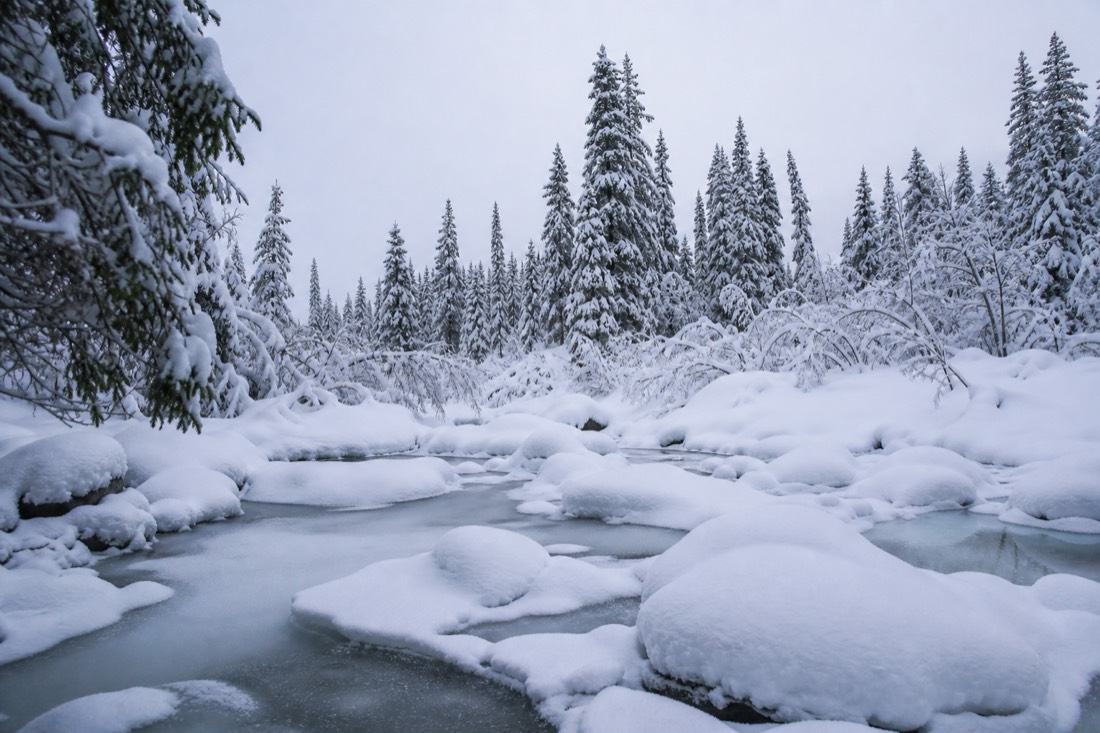
March, comfortably. Snow depth in northern Finland peaks around mid-March at 60 to 90 cm, and in Lapland the maximum often falls in early April. December, despite being the month everyone books, is still building its snowpack.
This surprises people who assume midwinter means maximum snow. Snow accumulates through the season, so the deepest cover arrives at the end of winter rather than in the middle of it. December has reliable snow in Lapland, which is all most activities need, but a March trip walks into visibly more of it.
| Month | Snow cover | Daylight in Rovaniemi | Aurora season | Relative cost |
|---|---|---|---|---|
| October | Arriving mid-month, not reliable early | Shortening fast | Running | Low |
| November | Established, deepening | Short | Running | Low, rising late |
| December | Reliable | Shortest of the year | Running | Peak |
| January | Deep, coldest period | Short, lengthening | Running | High |
| February | Deep | Noticeably longer | Running | High, easing |
| March | Deepest, 60 to 90 cm | Long, and dazzling on snow | Running | Falling |
| April | Melting through the month | Long | Ends early April | Low |
| May to August | None | Midnight sun, 6 June to 7 July | None | Low |
How dark does it actually get?
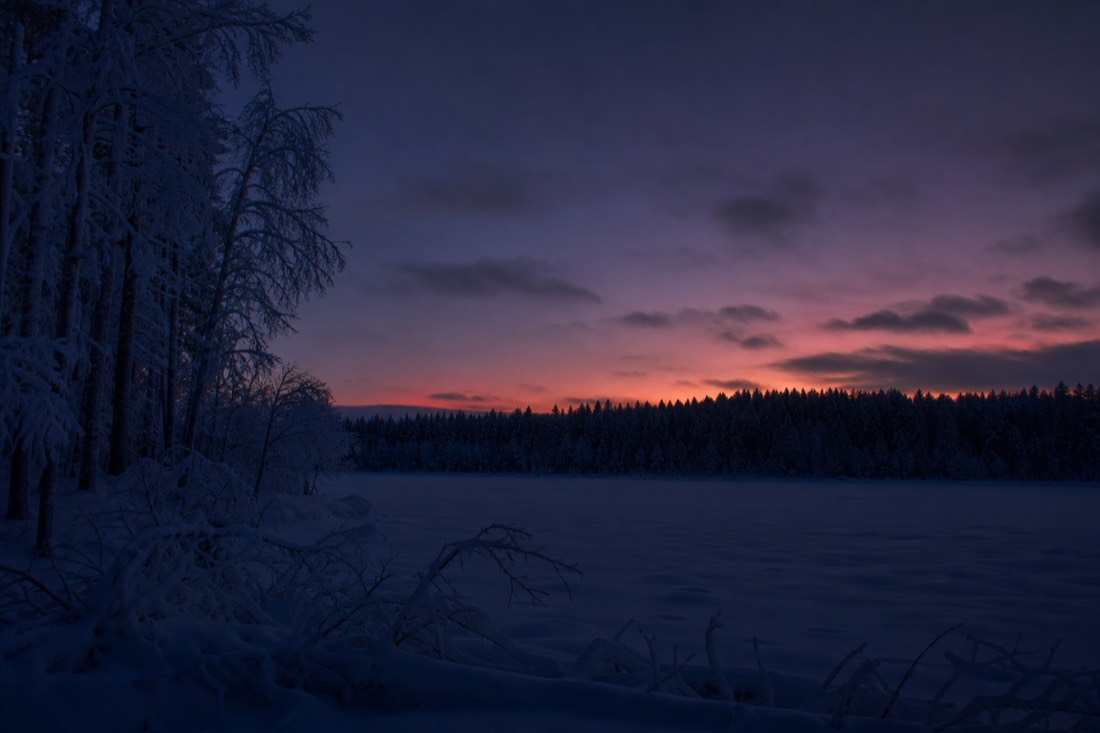
Less dark than most people expect in Rovaniemi. Because the city sits almost exactly on the Arctic Circle at 66°32′37.11″ N, its polar night lasts only a couple of days rather than weeks. Midwinter gives you a few hours of low blue light, not total darkness.
This is one of the most commonly misunderstood things about Lapland. The polar night, or kaamos, gets longer the further north you go. In Rovaniemi, sitting right on the line, the sun technically stays below the horizon for only a very short window around the solstice. Head north to Saariselkä or Inari and the polar night runs for weeks.
Whether that is good or bad depends on you. The blue hours in Rovaniemi in December are genuinely beautiful and there is enough light for daytime activities. If you want the full, disorienting, permanent-twilight experience, you need to go further north, and our comparison of the three main bases covers what that costs you in convenience.
At the other end of the year, Rovaniemi's midnight sun runs from 6 June to 7 July, when the sun does not set at all.
When are the northern lights best?
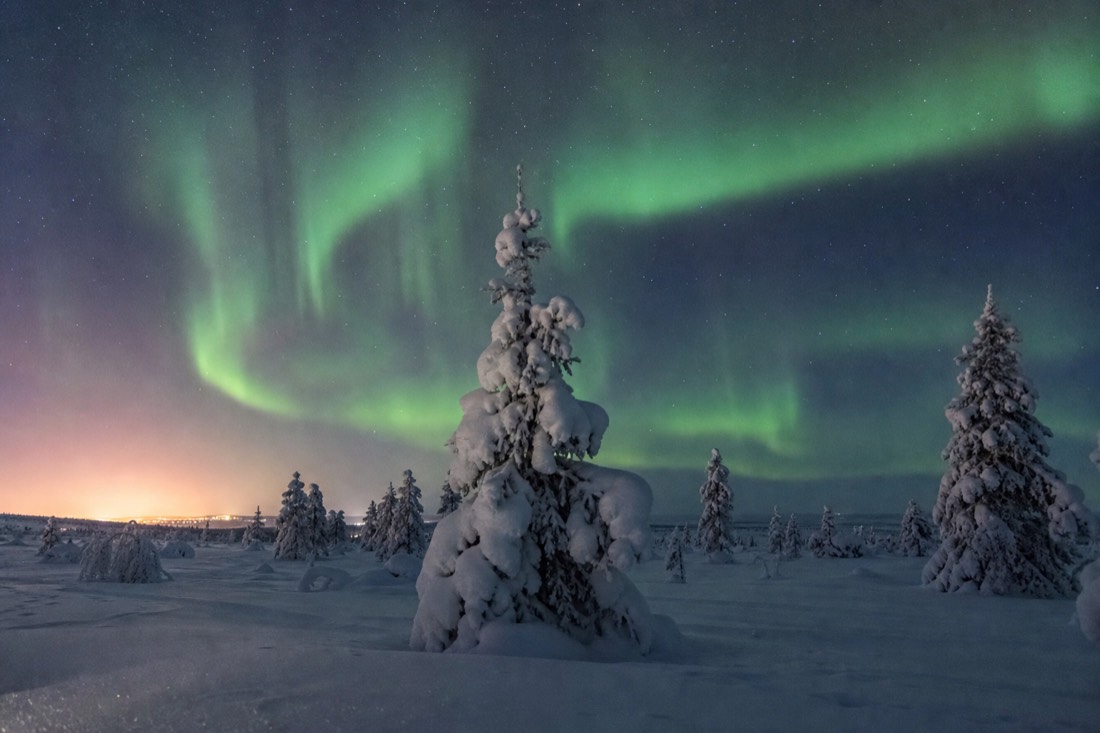
Late August to early April, and the season is longer at both ends than the snow season. The Finnish Meteorological Institute reports the aurora is visible on roughly half of dark, cloudless nights at Lapland ski resorts, and puts the best hours around midnight give or take two.
Two things matter more than the month. The first is clear sky, which is why good aurora tours drive to find one. The second is how many nights you give yourself, because a single night is a coin flip no matter when you go.
Solar activity is the background variable and it is currently favourable. Solar Cycle 25 reached its maximum in October 2024, and activity remains elevated through 2026, which means the 2026/27 season should be a strong one. That is not a guarantee of anything on a given night, but it does mean the underlying odds are better now than they were five years ago.
Which month is best value?
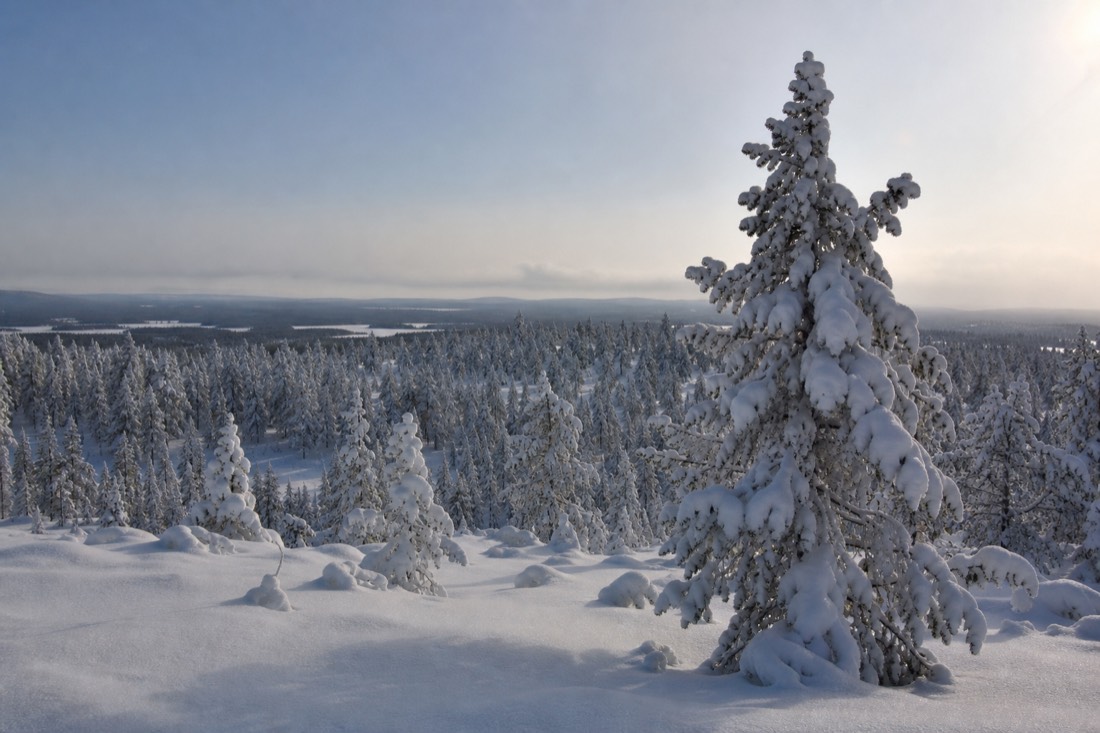
March, and it is not close. You get the deepest snow of the year, a still-running aurora season, usable daylight, and prices that have come off the December peak. The trade is that the Christmas atmosphere has gone.
The demand data explains the pricing. Lapland absorbed 62 per cent of all foreign overnight stays in Finland during December 2025, some 609,200 nights. That concentration is what makes the Christmas fortnight expensive and everything either side of it comparatively reasonable.
| If you want | Go in | Accept |
|---|---|---|
| Santa and Christmas atmosphere | Early to mid December | The highest prices of the year and the shortest days |
| Maximum snow and value | March | No Christmas markets, and a spring feel by late month |
| The coldest, darkest, most Arctic feel | January | Genuinely cold, and short days |
| Aurora on a budget, no snow needed | September to October | Green landscapes, no husky or snowmobile season |
| Long days with winter activities | Late February to March | Bright light, which some find less atmospheric |
| Midnight sun and hiking | June to July | No snow, no aurora, a completely different trip |
What is open when?
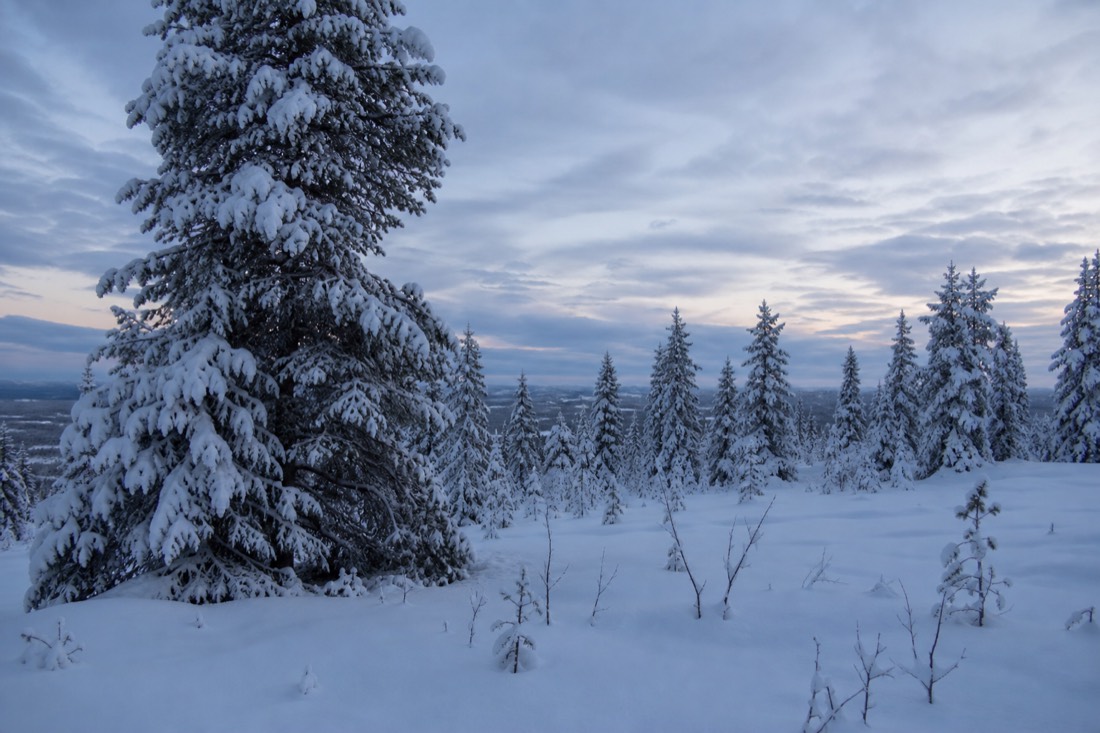
Snow-dependent activities need snow, which is roughly November to April. Aurora tours run either side of that. Santa Claus Village is the outlier: it opens every day of the year, so an autumn trip can still include it.
| Activity | Roughly when it runs | Note |
|---|---|---|
| Husky sledding | November to April | Needs a snow base; wheeled carts elsewhere are a different product |
| Snowmobile safari | November to April | Frozen lakes extend the routes in midwinter |
| Reindeer sleigh | November to April | Farm visits themselves run more of the year |
| Northern lights tour | Late August to early April | The longest season of the winter set |
| Santa Claus Village | Every day of the year | The Santa Claus Office keeps daily hours |
| Ice hotel and snow rooms | 15 December to 31 March | Built new each winter, so the dates are firm |
| Glass igloo stays | Most of the year | Aurora viewing only in season |
| Midnight sun trips | 6 June to 7 July in Rovaniemi | A completely different holiday |
The ice hotel dates are worth noting if a snow room is on your list, because they are the tightest window on the table. The Arctic SnowHotel in Rovaniemi runs its snow rooms and ice restaurant from 15 December to 31 March, and the structure is rebuilt each winter rather than maintained year-round.
Does the month change which activities run?
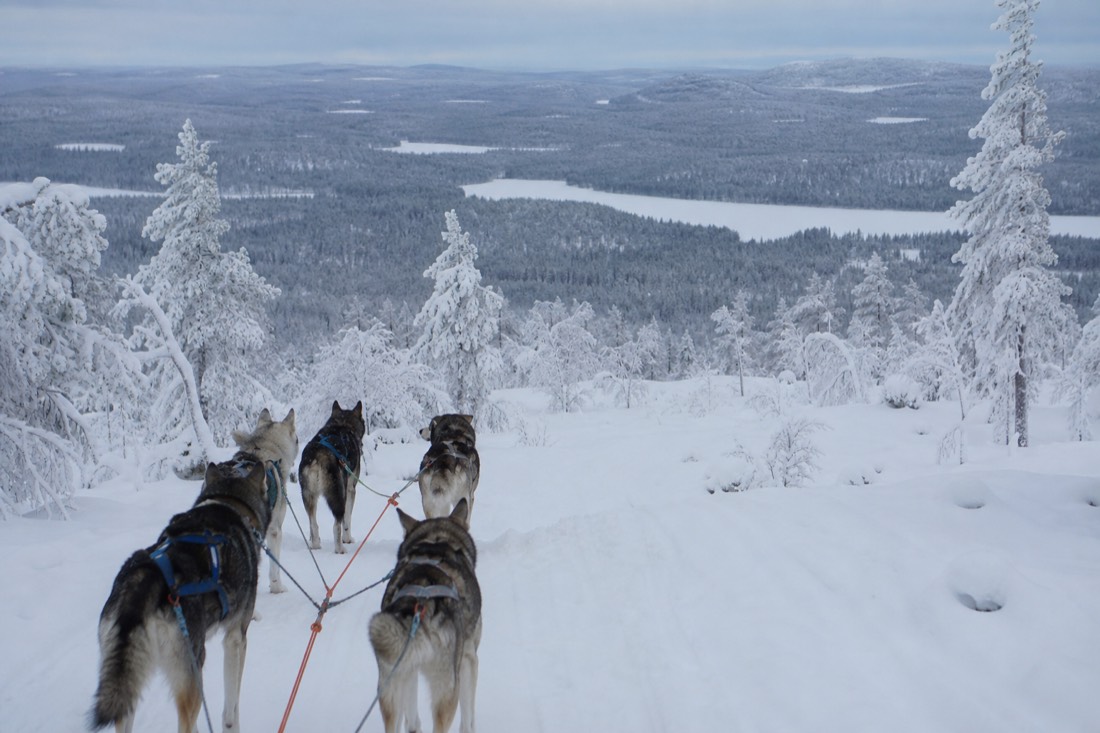
Yes, materially. Snow-dependent activities need snow, which rules out roughly May to October for husky sledding, snowmobiling and reindeer sleighs. Aurora tours run either side of the snow season, and Santa Claus Village is open every day of the year.
That last point catches people out in a useful way. Santa Claus Village is open year-round, so an autumn aurora trip can still include it. What you cannot do in September is drive a snowmobile across a frozen lake, and no operator will pretend otherwise.
If your trip falls in the snow season and you only book one thing, the review counts point at the snowmobile safari with 2,278 GetYourGuide reviews, and you can check live availability and prices on the operator's listing for your dates. If you are travelling with young children instead, the reindeer sleigh rides tend to land better than the fast, noisy options.
When do the UK flights actually run in 2026 and 2027?
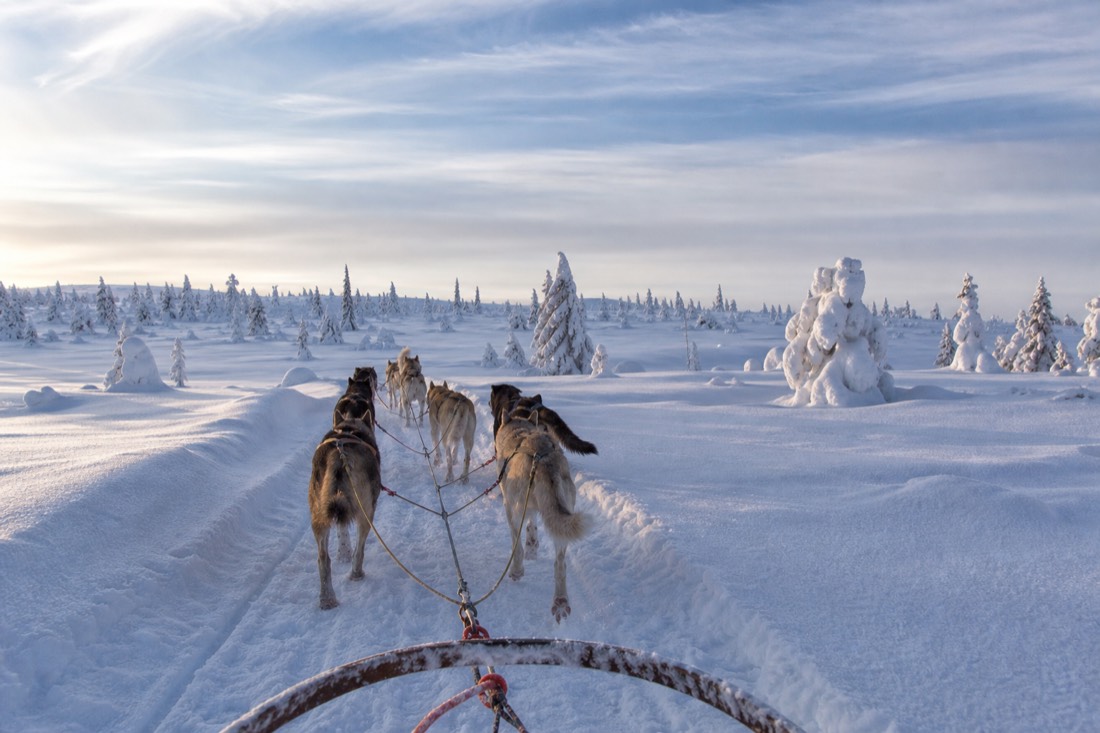
Four direct routes serve Rovaniemi this season, and each has its own start and end date. That matters more than it sounds, because the cheapest month to visit is only cheap if something flies to it.
| Airline | From | Season 2026/27 |
|---|---|---|
| Ryanair | London Stansted, daily | 25 October 2026 to 27 March 2027 |
| easyJet | London Gatwick | 11 November 2026 to 24 March 2027 |
| easyJet | Newcastle, Wednesdays and Sundays | From 25 November 2026 |
| British Airways | London Gatwick, Mondays and Fridays | 4 December 2026 to 4 January 2027 |
Read the right-hand column against the season table above and a gap appears at both ends. Late October and late March still have snow and aurora, and by then most of the direct capacity has either not started or already finished for the year. The British Airways window is the narrowest of the four and sits entirely inside the Christmas peak.
This is new. Rovaniemi Airport handled 1,120,022 passengers in 2025, up 18.4 per cent in a single year, and the scheduled competition that came with that growth is what makes booking activities direct a realistic option rather than a theoretical one. Ten years ago the charter operator was solving a genuine access problem. Our airports guide covers which airport serves which base, and our post on the 2026/27 flight shakeup goes through what changed.
What does each month do to the price of the trip?
Accommodation moves more than anything else. Rovaniemi hotel rates average around €150 a night and rise to roughly €280 in the December to February peak, and the demand curve behind that is steep and predictable.
Search demand for Lapland trips roughly doubles between August and November and peaks in December. The hotels see the same curve, the popular tours carry sell-out flags from autumn, and none of it is a surprise to anyone selling into it. Knowing the shape of the curve is most of the advantage a private buyer has.
| Month | Rough accommodation position | Tour availability | Who it suits |
|---|---|---|---|
| September to October | Cheapest of the season | Wide open | Aurora-only trips, no snow activities |
| November | Still below peak | Good, popular listings filling | Value hunters who want snow |
| December | Peak, near the €280 end | Tightest of the year, book early | Families committed to Christmas |
| January to February | Peak continues, coldest weeks | Good | Deep-winter conditions, fewer crowds than December |
| March | Easing off peak | Good | The best all-round month on this site's reading |
| April | Back toward the €150 average | Thinning as the season closes | Late-season bargains, softening snow |
The December row is the one worth arguing with. It is the most expensive month, the busiest, and the shortest on daylight, and it is also the only month in which a child meets Santa in the run-up to Christmas rather than in February. That is not a value judgment anybody else can make for you. What we would say is that the premium is real, it is large, and it buys atmosphere rather than better activities.
March buys the opposite: the deepest snow of the year at 60 to 90 cm in northern Finland, long daylight, a full aurora season still running, and rates coming off the peak. Our post on why March quietly beats December makes that case at length.
What Aino tells people who can only travel in one window
Aino Korhonen has planned Lapland trips since 2023 and by her own count has worked with more than 250 international travellers. Most of them cannot pick their month freely, so the useful question is rarely "when is best" but "what do I do about the month I have".
School holidays decide it for most families, which means December or February. December brings the crowd and the price, and the compensation is that the village and the whole city are running at full tilt. February brings the cold, and the compensation is that the same activities cost less and run quieter.
Travellers with free dates almost always end up in March once they see the numbers, and the ones who go in September are usually there for the aurora alone and know exactly what they are giving up.
| The window you have | The main thing it costs you | What to do about it |
|---|---|---|
| December, school holidays | Price, crowds, the shortest daylight | Book everything early, go to the village at opening |
| February half term | Very cold weeks, less daylight than March | Prioritise indoor warm-up stops between activities |
| March or early April | Almost nothing, this is the sweet spot | Book aurora nights early, they still sell out |
| September or October | No snow, so no huskies or snowmobiles | Treat it as an aurora and landscape trip |
| Summer | The entire winter product | Midnight sun from 6 June to 7 July is a different holiday |
The one piece of advice that applies to every row is to spread the aurora nights rather than stacking activities. Cloud decides the sky and no month fixes that, so more separate attempts beats a better month every time. Our aurora guide works through the arithmetic.
Common questions
Is December too crowded?
The Christmas fortnight in Rovaniemi is the busiest period of the Lapland year, and Santa Claus Village draws over 600,000 visitors annually with a heavy December concentration. Early December is noticeably calmer than the week around Christmas while keeping the same atmosphere and snow.
Is March too late for snow?
The opposite. Snow in northern Finland is at its deepest around mid-March at 60 to 90 cm. March is the snowiest time of the Lapland year, not the tail end of it.
Can I see the northern lights in summer?
No. The aurora season runs late August to early April. Through the summer the sky never gets dark enough, and around the midnight sun in Rovaniemi, 6 June to 7 July, the sun does not set at all.
How many nights should I stay?
Three or four is the practical minimum for a winter trip, mainly because of the aurora. Any single night can be clouded out, so more nights is the one reliable way to improve your odds. Two nights is enough for Santa Claus Village and one activity, and not much else.
Does it ever get too cold for the activities to run?
Operators do cancel in extreme conditions, and each listing states its own policy. Most tours here offer free cancellation up to 24 hours before, which protects your money. It does not find you a replacement slot, which is the practical downside of booking direct and is covered in our cost and trade-offs guide.