Why Is Lapland So Famous?
A region with more reindeer than people became a household name in Britain. That happened for specific reasons, and one of them was a post office.
 Written with Aino Korhonen, Lapland tour specialist and Arctic experience guide
Short answer
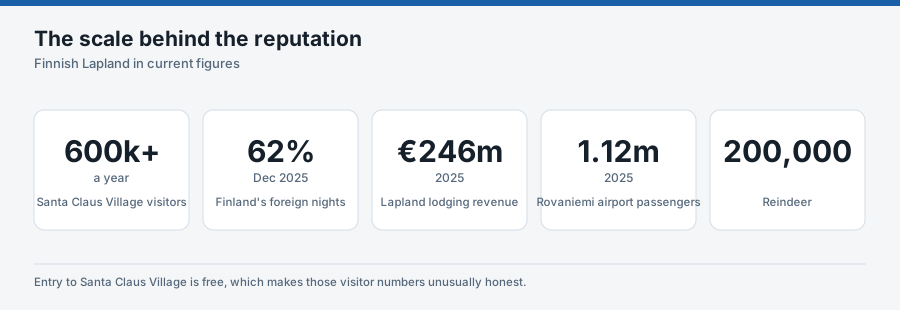
Three things, layered. Santa Claus, whose official village and post office in Rovaniemi now draw over 600,000 visitors a year. The northern lights, visible on roughly half of dark, cloudless nights. And reindeer, which are not a marketing device but a working industry of around 200,000 animals across 36 per cent of Finland. The Arctic Circle running through Rovaniemi ties the three together.
Finnish Lapland has fewer people in it than a mid-sized British city, spread across an area larger than many countries. It should be obscure. Instead it is one of the most recognisable winter destinations in Europe, and the reasons are more specific and more deliberate than "it snows there".
Why is Lapland so famous?
Because it holds the official address of Santa Claus, sits on the Arctic Circle, and gets the northern lights. Rovaniemi turned the first of those into a year-round attraction that now draws more than 600,000 visitors annually, and the other two came along with the latitude.
The Santa connection is the commercial engine. Santa Claus Village sits on the Arctic Circle about 8 km north of Rovaniemi, it is open every day of the year, and, notably, entry is free of charge and so is meeting Santa, per the Santa Claus Village information service.
| The three pillars | What it actually is | How real |
|---|---|---|
| Santa Claus | An official village and post office in Rovaniemi | A built attraction, and openly so |
| The northern lights | Visible on roughly half of dark, cloudless nights | Entirely real, and not guaranteed |
| Reindeer | Around 200,000 animals, 4,400 owners, 54 cooperatives | A working industry, not a display |
| The Arctic Circle | Marked at 66°32′37.11″ N in the village square | Real, and free to cross |
| Huskies | A large sled-dog tourism industry | Real, and built for visitors |
| Snow | Ground covered over half the year | Entirely real |
Is the Santa thing genuine or invented?
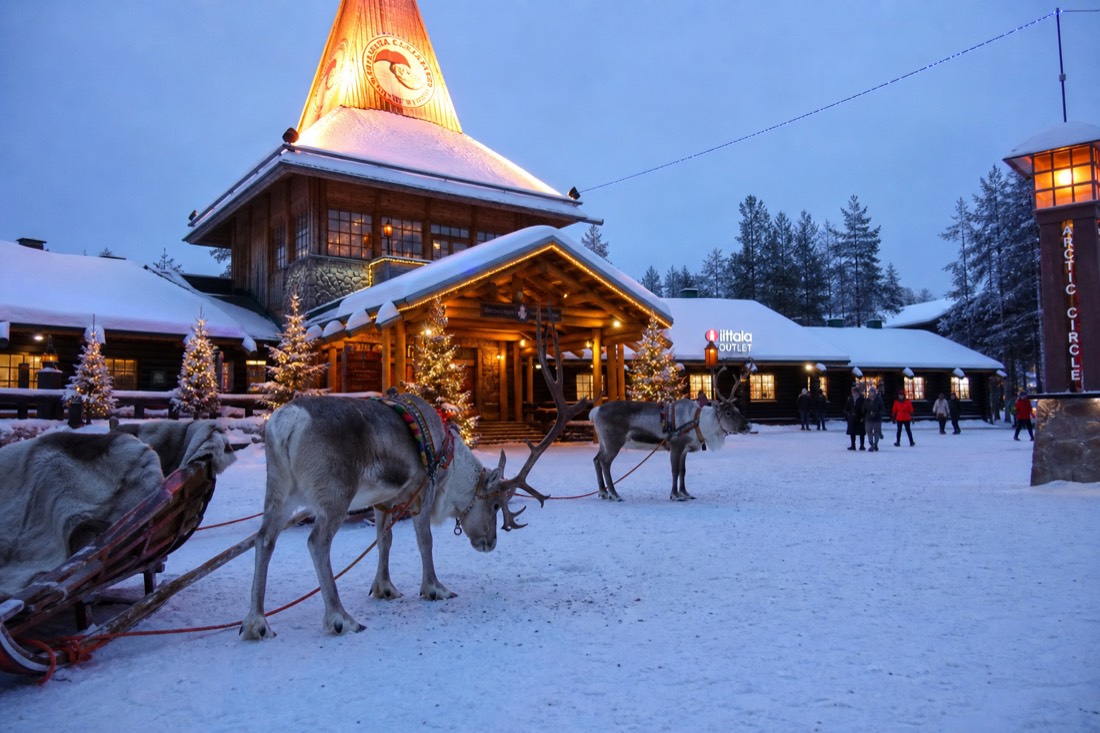
Invented in the sense that somebody decided Rovaniemi would be Santa's official hometown, and genuine in the sense that it has been running for decades, receives real post from around the world, and is free to visit.
There is no pretence about this locally, which is part of why it works. The village is unashamedly built for visitors. What separates it from a theme park is that it does not charge you to come in, and that the Arctic Circle it sits on is a real line of latitude rather than a painted one.
The scale is what makes it famous rather than merely local. Over 600,000 visitors a year, in a region of a few hundred thousand people, is a very large ratio.
Is the reindeer part real?
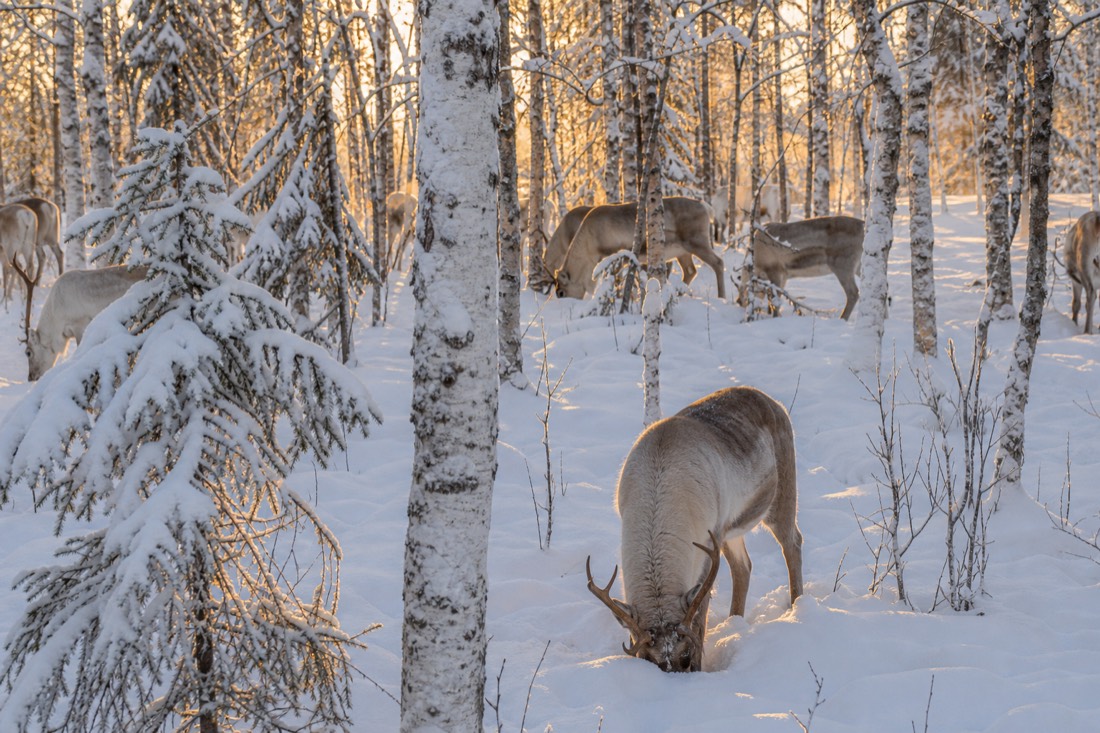
Very. Reindeer herding in Finland covers 122,936 square kilometres, some 36 per cent of the country, with around 200,000 animals and roughly 4,400 owners across 54 herding cooperatives.
Those figures come from the Reindeer Herders' Association. This is a livestock industry rather than an attraction, and the farms that take visitors are working operations that also sell sleigh rides. Around 40 per cent of Finland's reindeer owners are women.
It also connects to the Sámi, the indigenous people of northern Fennoscandia, of whom around 8,000 live in Finland. We are deliberately not summarising Sámi culture here, because we could not verify a summary against an official or academic source and it is a culture that has been flattened by tourist copy often enough. Our reindeer guide says the same thing at more length.
Why Finland and not Sweden or Norway?
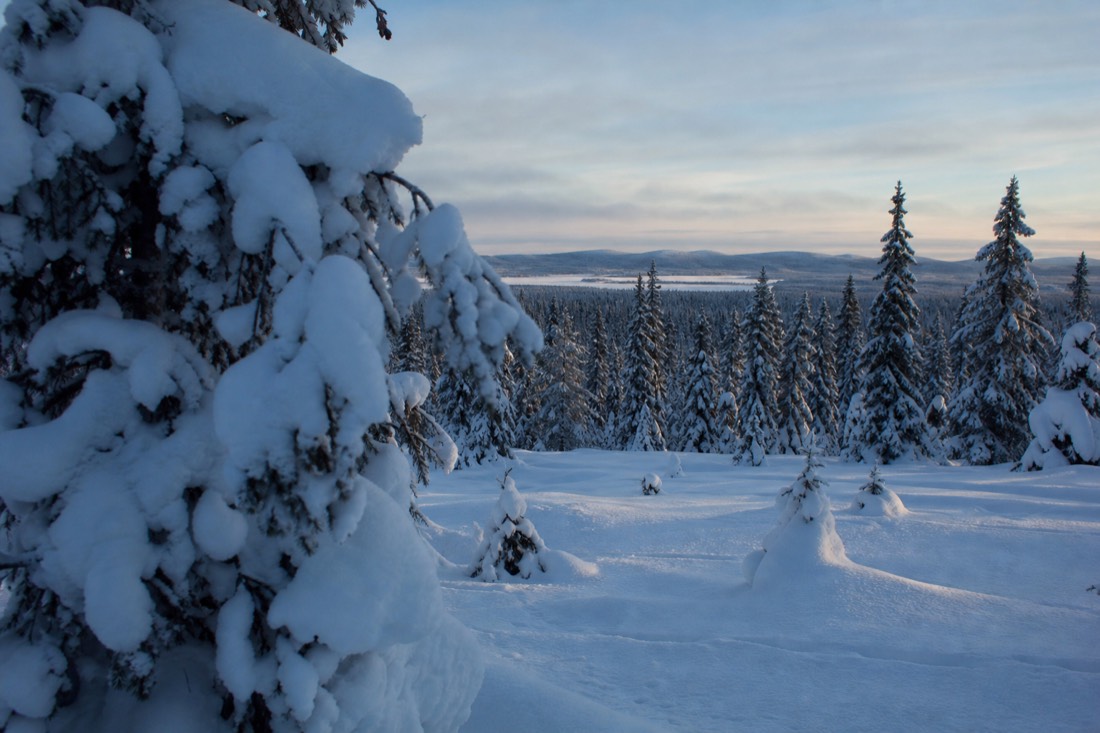
All three have Arctic regions, aurora and reindeer. Finland got the Santa association and built the infrastructure around it, and the UK charter market followed.
| Finnish Lapland | Swedish Lapland | Northern Norway | |
|---|---|---|---|
| Santa's official village | Yes, Rovaniemi | No | No |
| Marked Arctic Circle visitor site | Yes, free to cross | Less prominent | Less prominent |
| Direct UK winter flights | Four routes in 2026/27 | Fewer | Several |
| Best known for | Santa, huskies, snowmobiles | The original ICEHOTEL | Aurora, fjords |
| UK charter package market | Very large | Small | Moderate |
The flight column is doing quiet work there. Four direct UK routes to Rovaniemi for the 2026/27 winter, and an airport growing at 18.4 per cent a year, is what turns a famous idea into an easy trip. Our airports guide covers the routes in detail.
How did it become a British institution?
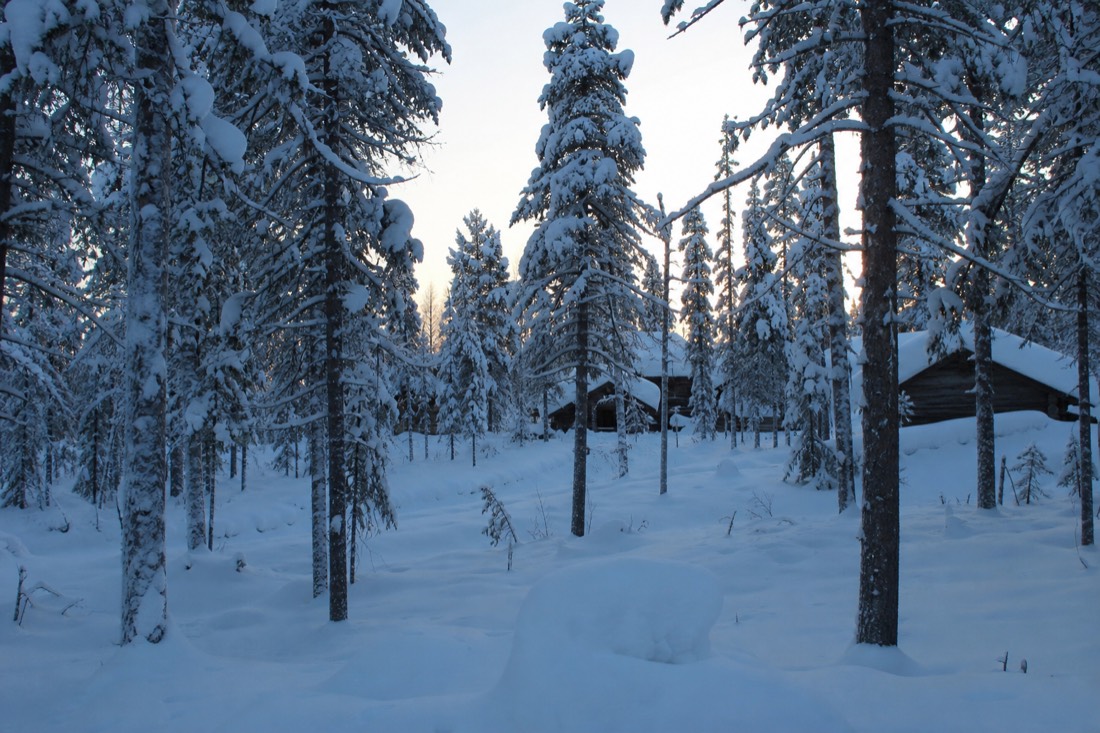
Charter flights, mostly. A famous idea only becomes a mass-market holiday when somebody makes it easy to reach, and the UK charter market did exactly that.
| What happened | Effect |
|---|---|
| Rovaniemi designated Santa's official hometown | Gave the region a single, memorable hook |
| Santa Claus Village built on the Arctic Circle | A fixed place to visit, free to enter |
| UK charter operators built dedicated packages | Turned it into a bookable family holiday |
| Scheduled low-cost routes opened | Made independent trips viable and cheaper |
| Rovaniemi Airport grew 18.4 per cent in 2025 | Four UK routes now competing for 2026/27 |
| Lapland took 62 per cent of Finland's foreign nights in Dec 2025 | The concentration that sets December prices |
The last two rows are the recent change. For years the only realistic way to reach Lapland from Britain was a charter package. Now four direct routes serve Rovaniemi in winter, which is why our cost comparison has a genuine argument to make rather than a theoretical one.
Which part is worth going for?
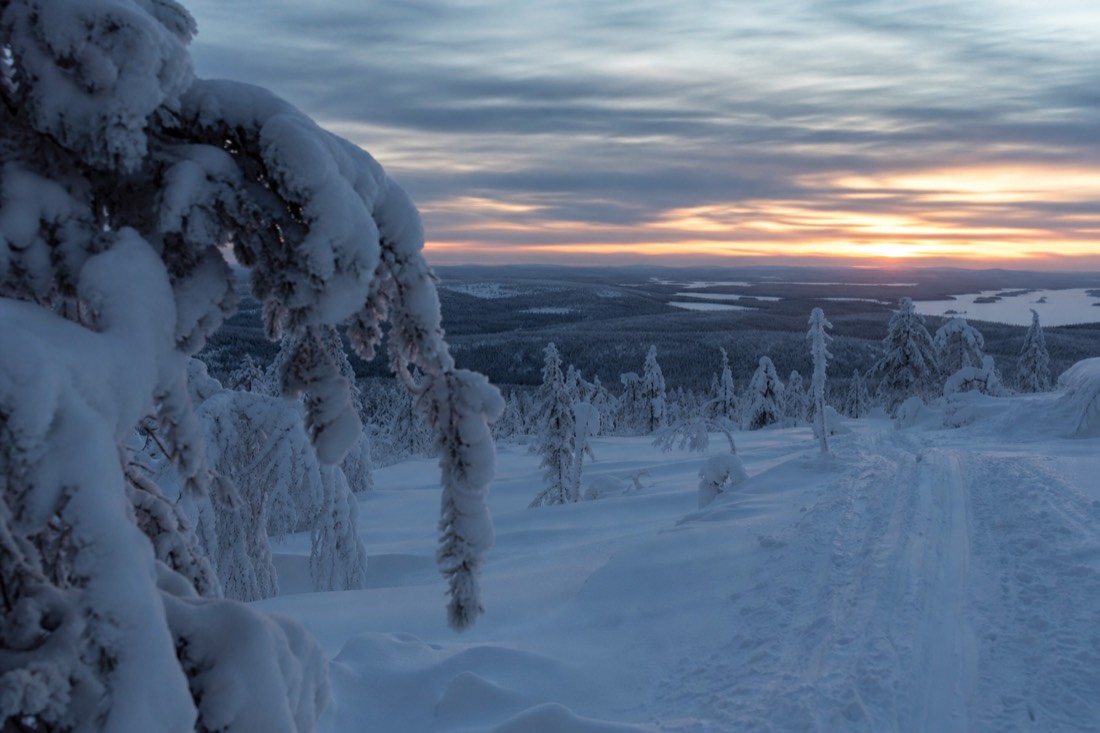
The aurora and the activities, if you are an adult. Santa, if you have young children. The reputation over-promises on exactly one thing, and it is the sky.
The northern lights are the famous element that most often disappoints, not because they are rare but because people expect certainty. The Finnish Meteorological Institute puts them at roughly 50 per cent of dark, cloudless nights, which is a good chance across three nights and a coin flip across one. Our worth-it page covers where the disappointment actually comes from.
Common questions
Is Santa Claus really from Lapland?
Rovaniemi holds the official hometown designation, with a village and post office that receive real mail from around the world. It is a designation rather than a historical claim, and it has been running long enough to be an institution in its own right.
Do you have to pay to see Santa?
No. Entry to Santa Claus Village is free and meeting Santa in his office is free too, every day of the year. The official photo and video package costs from €55 for up to five people, and buying it is optional.
Is Lapland just for Christmas?
No, and the season is far longer than the marketing implies. Lapland's winter runs about 200 days from mid-October, the aurora season runs late August to early April, and snow is deepest around mid-March. Our month-by-month guide covers what each month gives you.
Are the huskies traditional?
Sled dogs have a long working history in the Arctic, though the scale of husky tourism in Lapland today is built for visitors. Reindeer herding is the genuinely traditional livelihood, and it remains a working industry rather than a display.
Why do British people go to Lapland specifically?
The Santa association, the short flight, and a very developed UK charter market. Lapland took 62 per cent of Finland's foreign overnight stays in December 2025, and the UK is among Finland's top five source markets.