How Cold Does Lapland Actually Get?
Real Rovaniemi temperature normals, Finland's record low, how deep the snow gets and how long it lasts, and why the number on the thermometer matters less than what you are wearing.
 By Aino Korhonen, Lapland tour specialist and Arctic experience guide
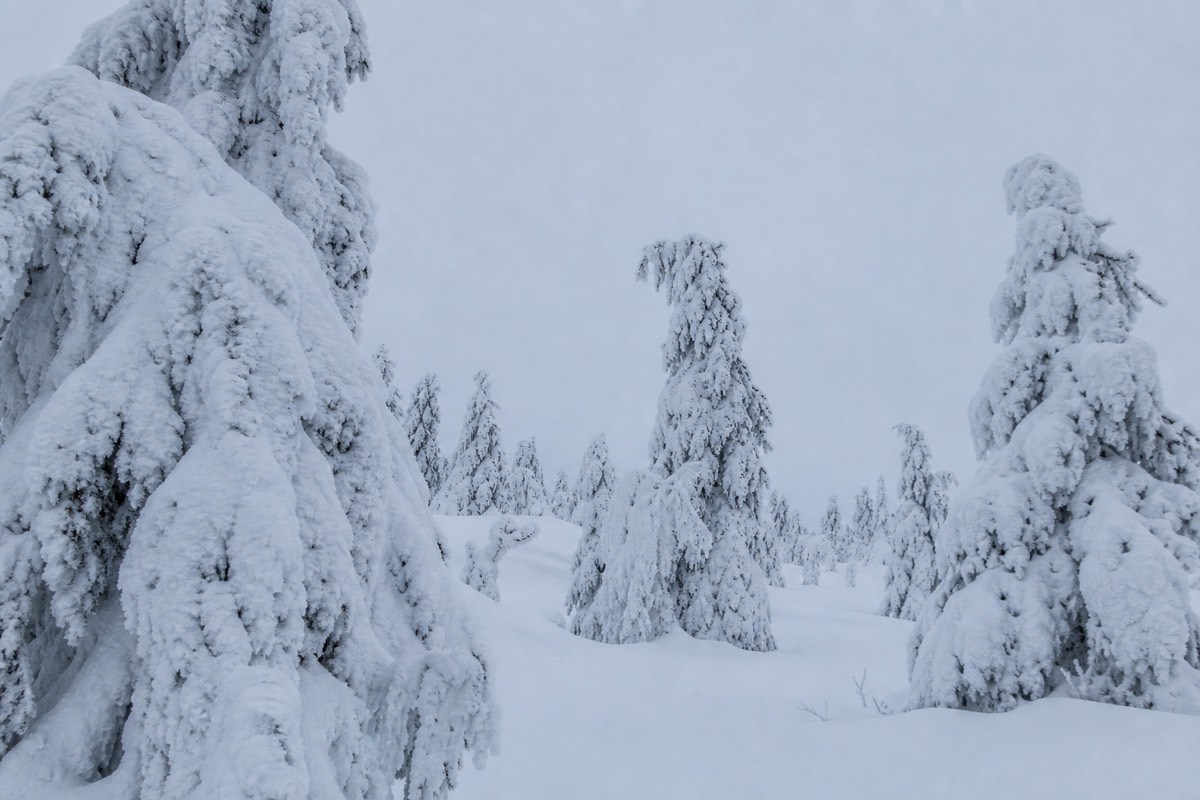
The number people fixate on is the temperature. The number that actually decides whether you enjoy the day is how many layers you brought, and whether any of them are cotton. Still, the temperature is a fair question, and most sites answer it with a shrug and the word "freezing".
Booking takeaway: Match the gear to the activity, and keep winter clothing for your independent time as well. The Apukka safari includes an outer kit for the outing. Explore Apukka 6 km husky safari
What is the average temperature in Rovaniemi?
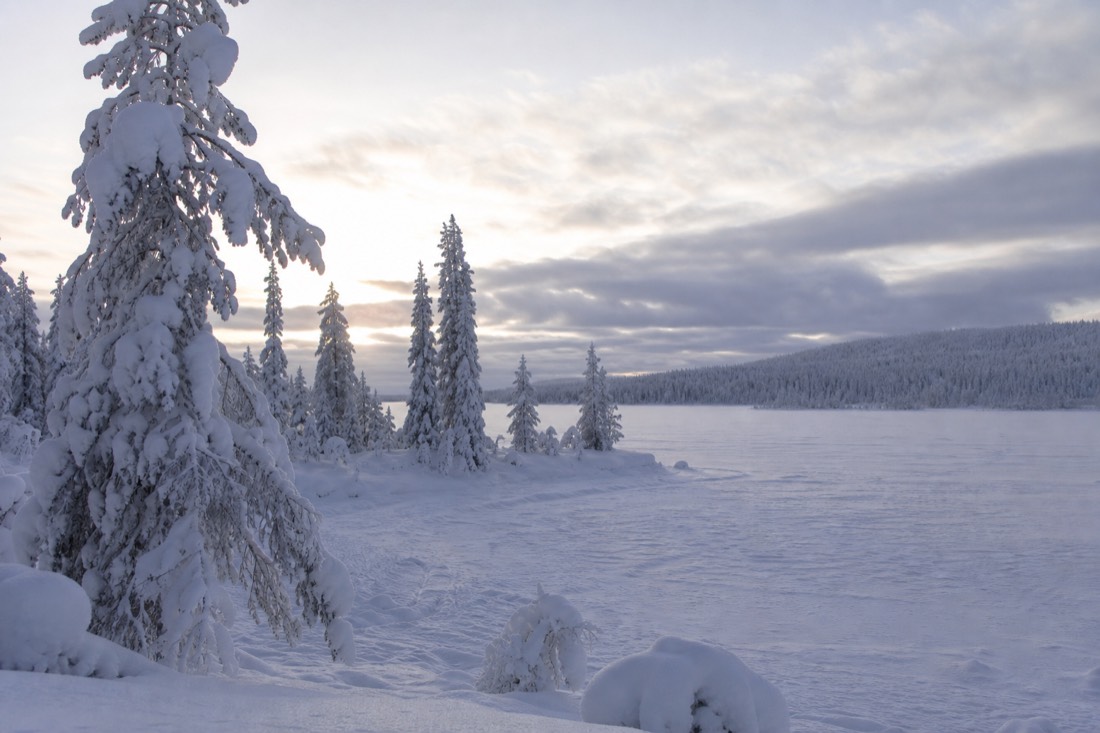
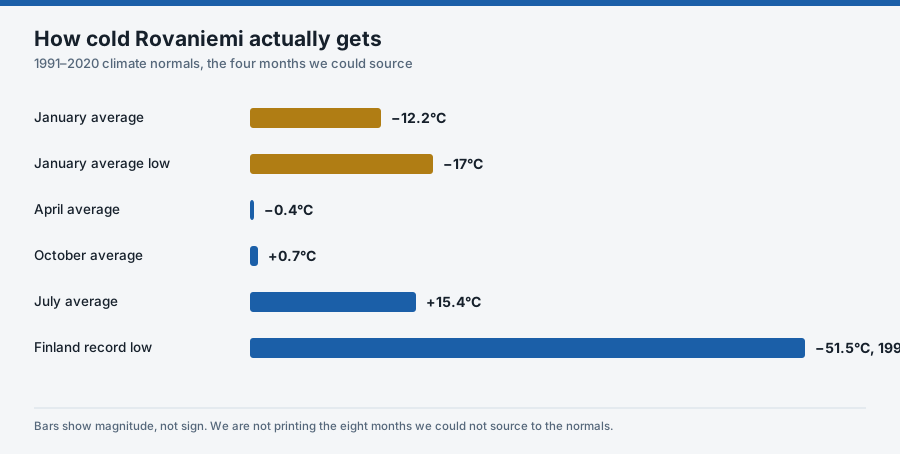
January averages about −12.2°C, with a daily high near −7.4°C and a low near −17°C. April sits at about −0.4°C, July at 15.4°C and October at 0.7°C. Those are the 1991 to 2020 climate normals.
| Month | Average | Average high | Average low |
|---|---|---|---|
| January | −12.2°C | −7.4°C | −17°C |
| April | −0.4°C | 4.6°C | −5.5°C |
| July | 15.4°C | 20.6°C | 10.3°C |
| October | 0.7°C | 3.6°C | −2.2°C |
A note on that table, because most sites will not give you one. Those are the four months we could source to the 1991–2020 normals. We are not filling in the other eight with numbers we could not verify, and you should be suspicious of a page that presents a confident twelve-month table without saying where it came from. January is the anchor you actually need: it is the coldest of the four and it is the month people most often ask about.
How cold does it get at the extreme?
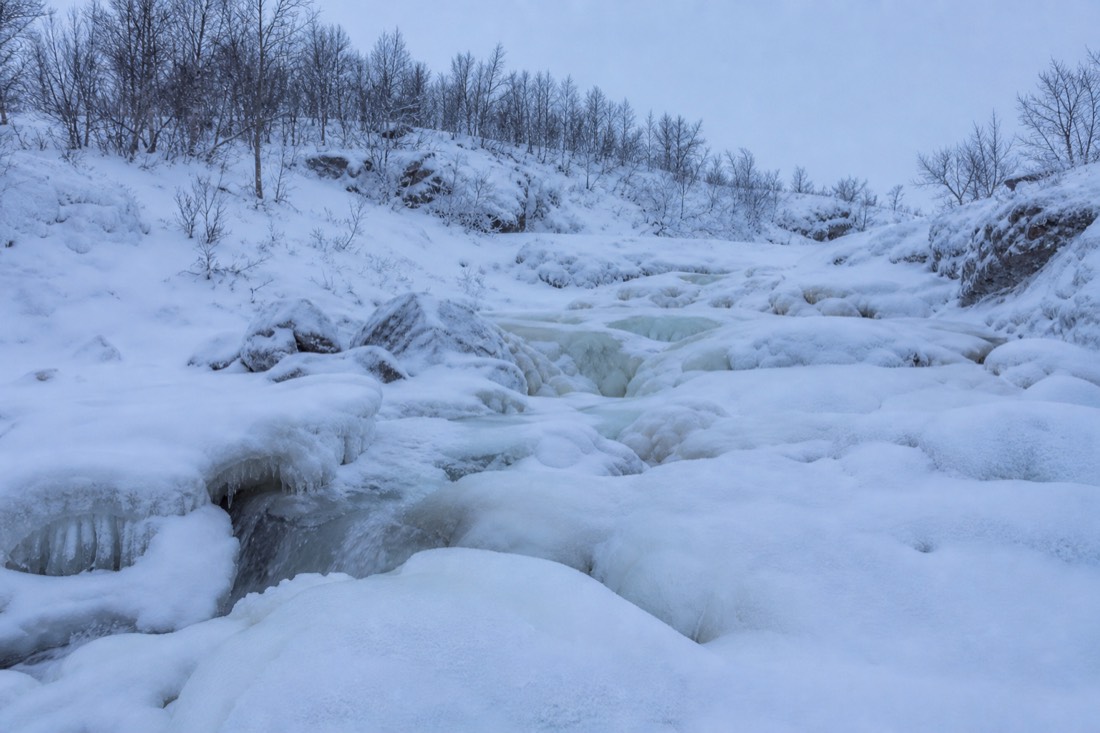
The lowest temperature ever recorded anywhere in Finland is −51.5°C, set in 1999, in Lapland. That is the record, not the forecast, and you will not see anything close to it on a normal winter trip.
The gap between the average and the record is the thing worth internalising. A typical January day in Rovaniemi sits around −12°C, which is entirely manageable in the right clothing and with an operator's thermal overall on top. Cold snaps of −25°C or −30°C happen and are genuinely biting. −51.5°C is a once-in-a-generation event at a remote station.
For what it is worth, the operators keep running in most of it. Activities get cancelled for wind and visibility far more often than for temperature alone.
How long does the snow last?
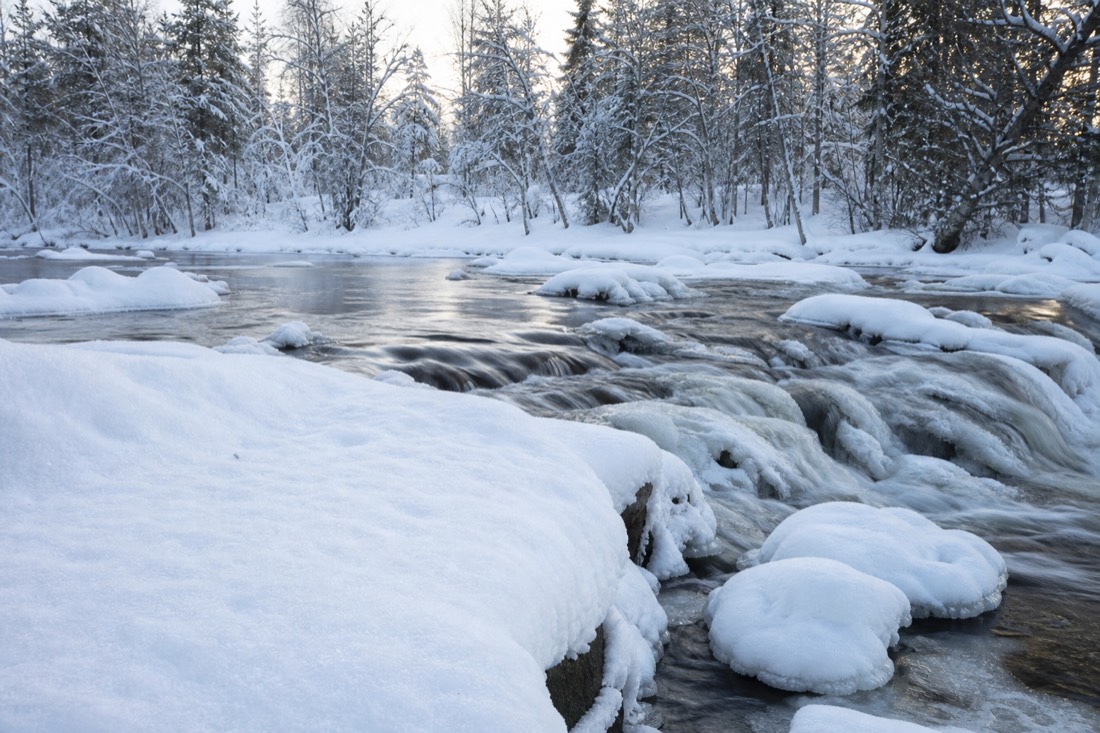
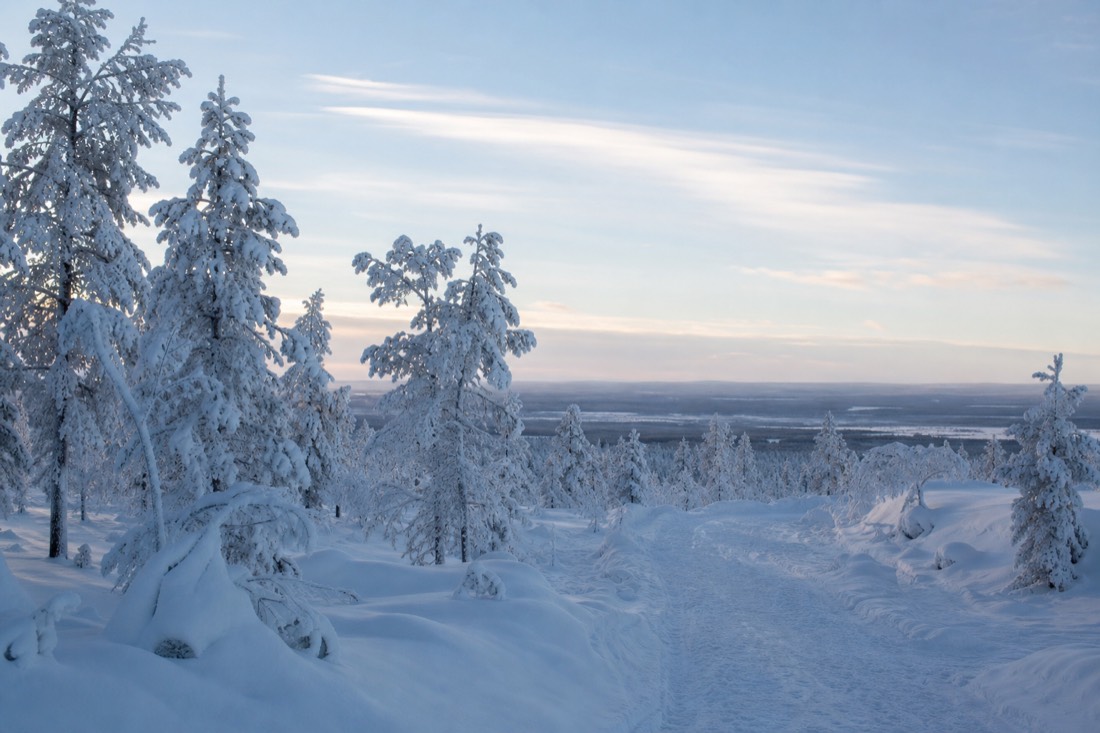
About seven months. The Finnish Meteorological Institute records permanent snow cover in Lapland lasting roughly that long, with first snow falling in northern Finland as early as September and depth peaking around mid-March at 60 to 90 cm.
| What | When |
|---|---|
| First snow in northern Finland | September |
| Permanent snow cover begins | Roughly November |
| Deepest snow | Around mid-March, 60 to 90 cm |
| Snow cover ends | Roughly May |
| Total permanent cover | About seven months |
| Winter as a season | About 200 days from mid-October |
That mid-March peak is the fact that should reorganise most people's plans, and our case for March is built on it. The snowiest time of the Lapland year is not the most expensive one.
How dark does it get?
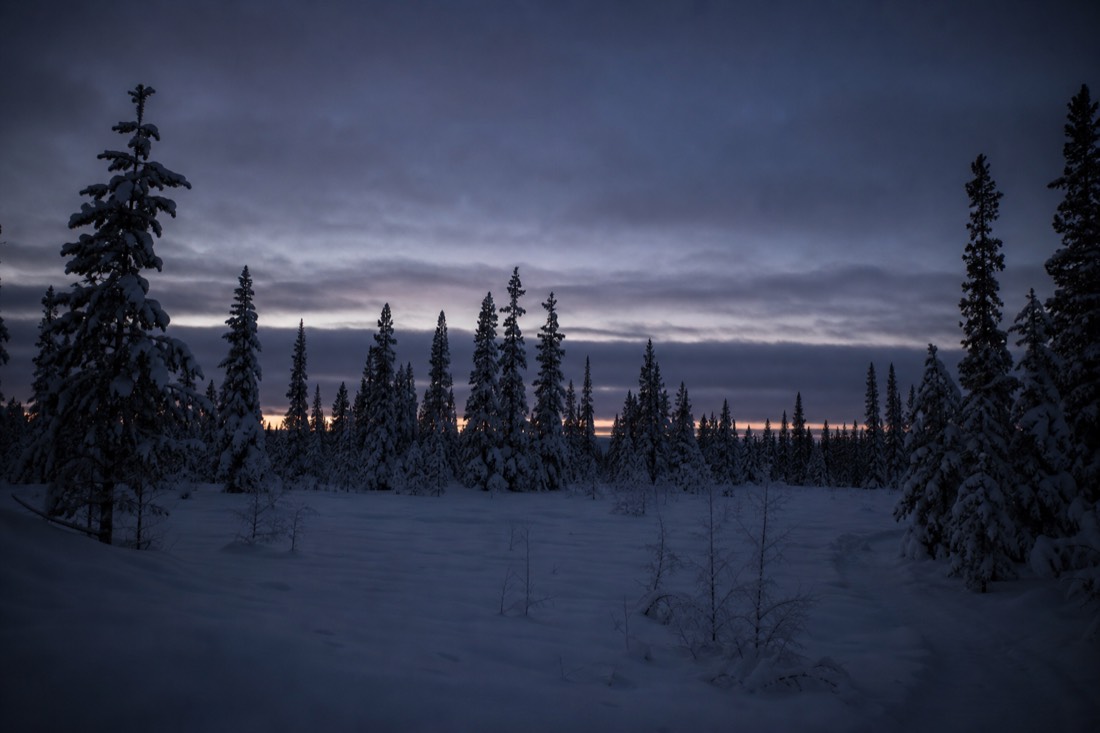
In the far north of Finnish Lapland the polar night lasts 51 days. In Rovaniemi it is a couple of days, because the city sits almost exactly on the Arctic Circle.
Visit Finland is blunt about how long the northern winter runs. This is the single most misunderstood thing about a Lapland winter, and the difference is enormous. Rovaniemi in December gives you a few hours of low, blue, sideways light. Travel up to Saariselkä or Inari and you get weeks where the sun genuinely does not clear the horizon.
Neither is "dark all day" in the way people picture. Even during polar night there is a long twilight around the middle of the day, and snow reflects a surprising amount of it. Our base comparison covers what that latitude difference means in practice.
Does the temperature actually matter?
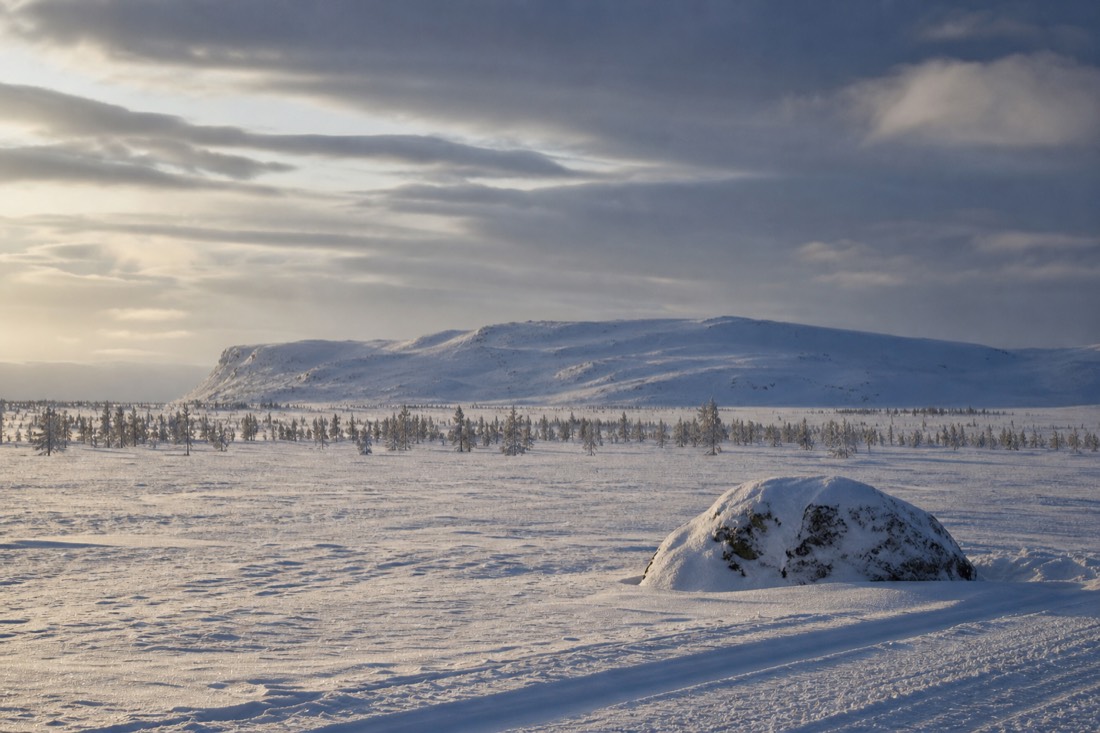
Less than the wind and far less than your clothing. −12°C standing still in a breeze is worse than −20°C walking in still air, and −12°C in wet denim is worse than either.
| Situation | How cold it feels | Why |
|---|---|---|
| Snowmobile at speed | Coldest thing you will do | Wind chill, and you are sitting still |
| Aurora tour, standing in a field | Very cold | An hour of no movement, late at night |
| Husky sledding, self-drive | Manageable | You are working, and out of the wind |
| Reindeer sleigh | Cold but brief | Slow and short, with a blanket |
| Walking around Rovaniemi | Fine | Shops and cafés to duck into |
| Anything at all in jeans | Miserable | Cotton holds moisture and stops insulating |
The bottom row is the one that ruins days. Denim absorbs moisture and stops insulating the moment you sweat slightly or get snow on you, which is why our what to wear guide spends so long on it.
The good news is that the outer layer is usually not your problem. Most operators lend a full thermal overall and boots for their activity, so what you actually need to get right is what goes underneath: merino or synthetic base layers, a fleece, thick wool socks and mittens.
Where operators themselves draw the line
At -30°C, on at least one listing here, which is a more useful number than any average. It tells you the temperature at which a Finnish company that runs outdoor activities for a living decides not to.
One of the Levi husky listings states that it reschedules or refunds at -30°C or below. That single line does more to calibrate expectations than any climate table, because it marks the boundary between cold that is normal and cold that stops the day.
| Temperature | What it means on the ground | What actually happens to the tours |
|---|---|---|
| 0 to -10°C | Mild by Lapland standards | Everything runs, you may overheat in the overall |
| -10 to -20°C | The normal working range, January averages -12.2°C | Everything runs |
| -20 to -30°C | Properly cold, exposed skin stings quickly | Everything usually runs, dress seriously |
| Below -30°C | Rare | At least one listing reschedules or refunds |
The gap between that table and Finland's record low of -51.5°C, set in 1999, is the whole problem with how Lapland's cold gets discussed. The record is a real number about a different situation, and it has close to nothing to do with a February afternoon in Rovaniemi.
The number that actually predicts your comfort
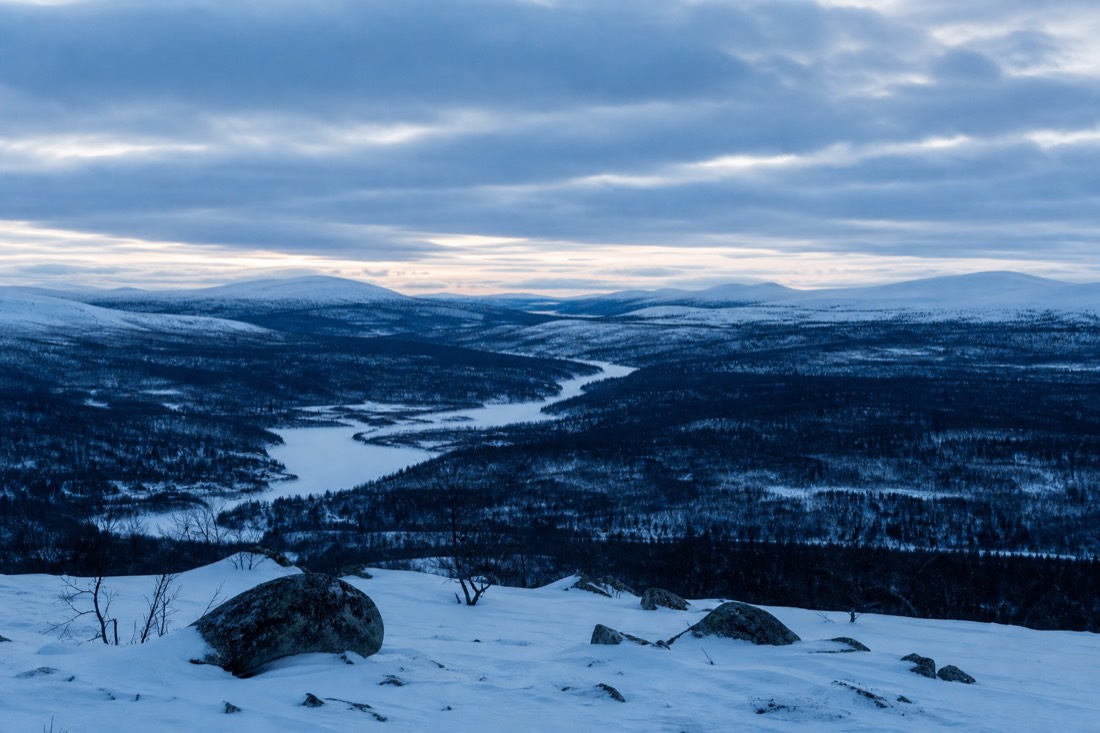
Not the air temperature. Wind chill on a moving snowmobile, and whether your base layer is cotton. Both of those beat the thermometer, and both are entirely within your control.
The gear the operators lend is built for this: thermal overalls, boots, and on snowmobile safaris gloves, a balaclava and a helmet. That outer layer is more windproof than it is thick, which is exactly right for a machine moving at speed and exactly why what you wear underneath decides the day.
| Situation | Feels like | What fixes it |
|---|---|---|
| -8°C at 50 km/h on a snowmobile | Far colder than -8°C | A proper base layer, glove liners |
| -20°C standing still at a campfire | Manageable, even pleasant | Nothing, the overall handles it |
| -15°C in wet cotton socks | Miserable within twenty minutes | Wool socks, two pairs per activity day |
| -12°C walking around town | Fine, until the pavement | Boots with grip, this is the real hazard |
The last row is the one that sends people home with an injury rather than a story. Boots are lent for the activities; the rest of your week happens on packed ice in Rovaniemi, and nobody lends you anything for that.
So what should you expect?
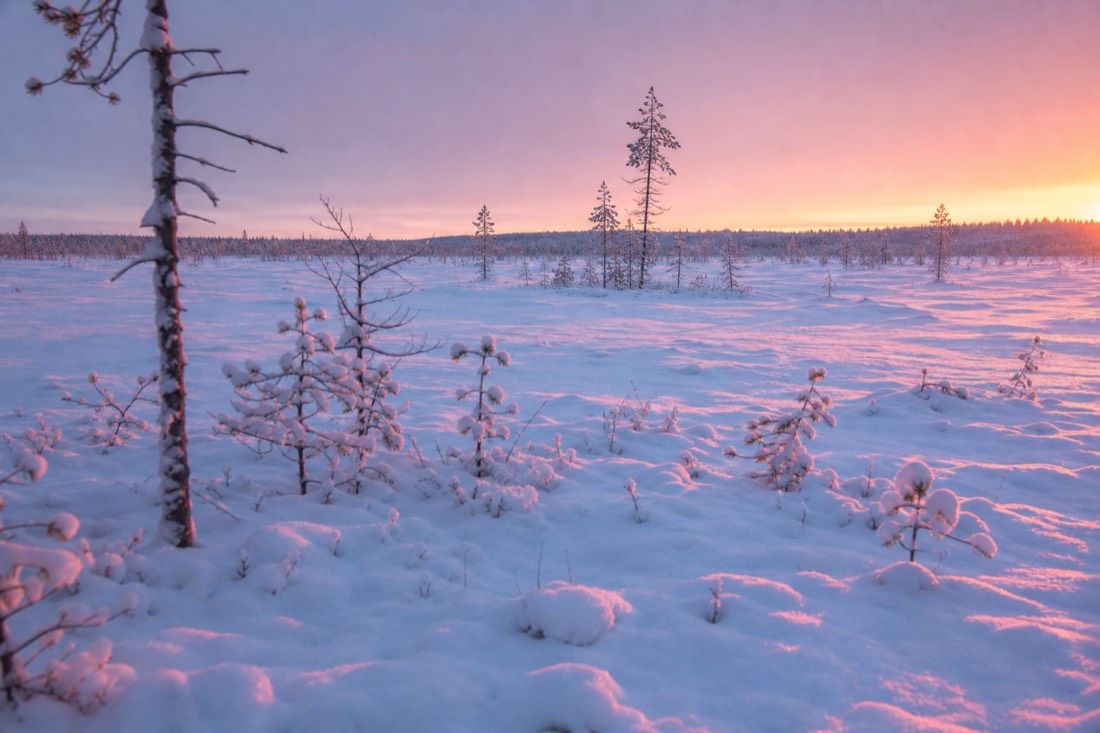
Around −12°C on a typical January day in Rovaniemi, colder at night, milder in March and October, with deep reliable snow from about November to May. Dress in layers, avoid cotton entirely, and the cold becomes a backdrop rather than a problem.
If you are choosing a month around the cold specifically, March is the sweet spot: the deepest snow of the year, noticeably longer days, and temperatures that have come off the January floor. Our month-by-month guide works through the rest of the trade.
Your next booking step
Editorial starting point · confirm your party’s requirements below
Apukka 6 km husky safari
Have your travel dates in mind? Drive a husky team through the forest, then meet the dogs over a hot drink. Check the outing before arranging the rest of your day.
About 2 hours at Apukka; allow roughly 3.5 hours with transfers. Thermal overall, boots, socks and mittens included. Transfers from Rovaniemi centre or Santa Claus Village. Listed ages 2–75; children ride with an adult; adults must be able to control the sled. Guides do not drive it for you. Not suitable for pregnancy or mobility limitations.
Compare options and tailor this choice
Choose only the details you know. These filters help compare outings; the operator confirms suitability and dates.
Party ages and access requirements
Drive a husky team through the forest, then meet the dogs over a hot drink.
About 2 hours at Apukka; allow roughly 3.5 hours with transfers. Thermal overall, boots, socks and mittens included. Transfers from Rovaniemi centre or Santa Claus Village. Listed ages 2–75; children ride with an adult; adults must be able to control the sled. Guides do not drive it for you. Not suitable for pregnancy or mobility limitations.
Go looking for clear skies with a professional photographer; tripods and edited photographs are included.
Allow 5–7 hours. English guide, maximum 8 guests, minimum age 8 and minimum 2 per booking. Warm clothing, boots, drinks and snacks included; pickup within 10 km of Rovaniemi (city-centre guests meet at the office). No sighting guarantee.
Combine a guided look around Rovaniemi with Santa Claus Village and an Arctic Circle certificate.
About 3 hours with hotel pickup. English guiding. Village entry and meeting Santa are free independently; the paid value is transport and guiding. Photos, food and drinks cost extra. Listing marks wheelchair access; confirm your vehicle and personal requirements before booking.
None of these outings fits those choices. Adjust a filter or reset to compare the original options.
Published departure schedule loading. Availability and final price are confirmed on Viator.
Affiliate links: we may earn a commission if you book, at no extra cost to you. Dates, options and the final price are confirmed by the provider.